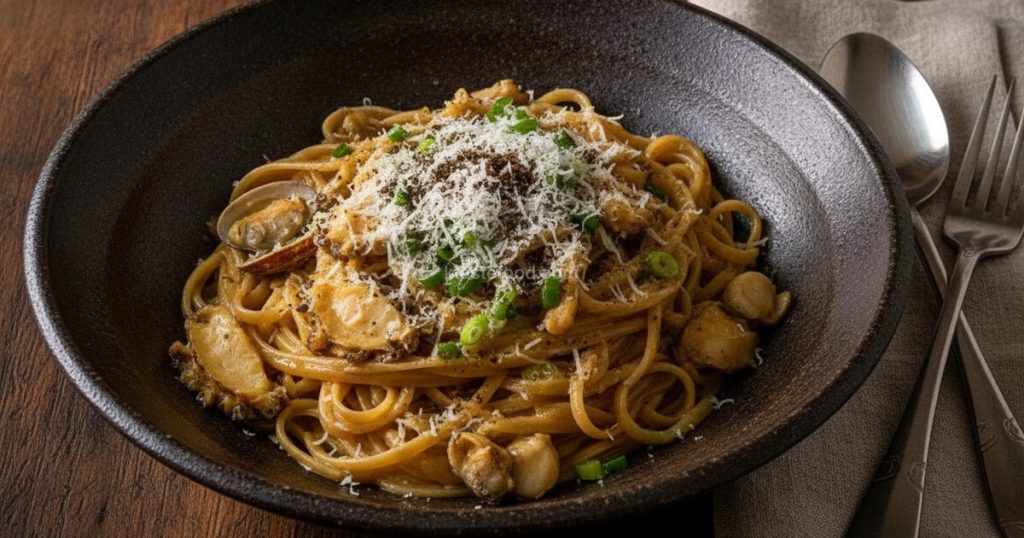
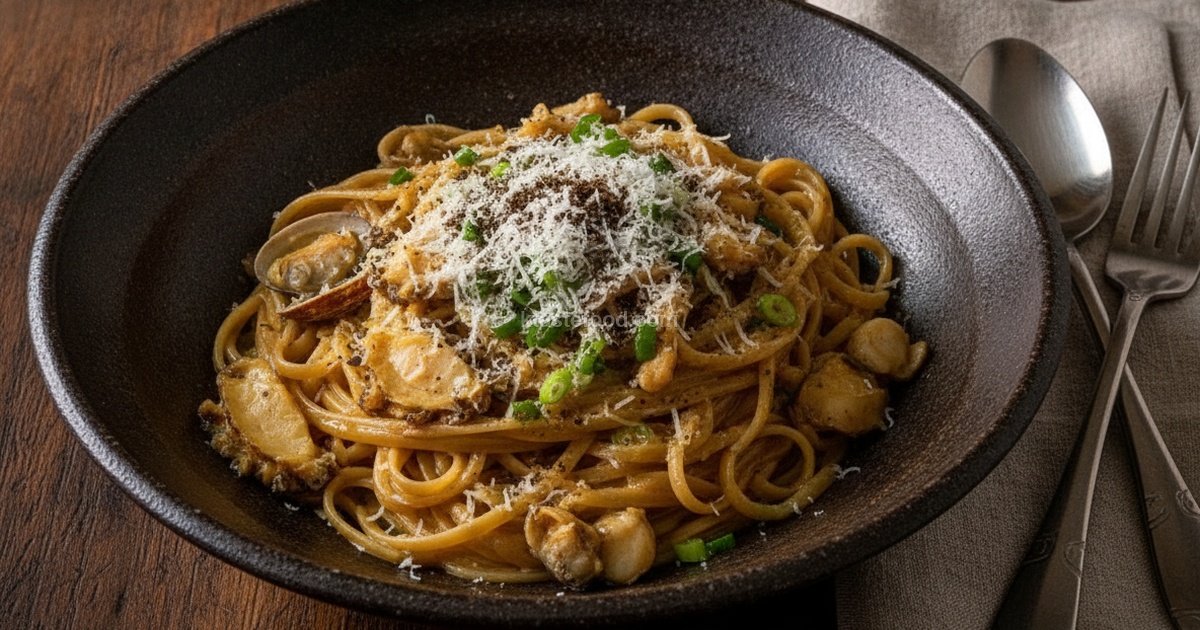
My dear K-Taste Food family, sometimes, a dish comes along that simply whispers ‘luxury’ and ‘comfort’ in the same breath. Today, I’m sharing a recipe for Abalone Pasta, a dish that transforms humble ingredients into a gourmet experience, deeply inspired by the ingenious culinary philosophy of Baek Jong-won. He taught us that every part of an ingredient holds potential, especially the rich, flavorful guts of abalone. Growing up, my grandmother would tell me, ‘Food made with heart tastes best.’ This recipe embodies that spirit, turning a special ingredient into a pasta that feels like a warm, loving hug. It’s truly a labor of love, designed to bring the vibrant, umami-rich flavors of the ocean to your family table.
The Ultimate Umami Abalone Butter Pasta: Silky Creamy Korean Seafood Sensation
⚡ Nutrition: 650 kcal (per 1 serving / 1인분 기준)
🍳 Required Equipment: Large Pot (for pasta), Wide 28cm Stainless Steel Non-Stick Skillet, Light Maple Wood Cutting Board, Sharp Chef Knife, Pair of Kitchen Shears, Blender, Fine-Mesh Sieve (optional, for sauce), Wooden Spatula or Tongs, Scrub Brush (for abalone)
🌱 Dietary & Lifestyle Tags: Seafood Rich, High Protein, Creamy, Umami-Packed
Equipment
- Large Pot (for pasta)
- Wide 28cm Stainless Steel Non-Stick Skillet
- Light Maple Wood Cutting Board
- Sharp Chef Knife
- Pair of Kitchen Shears
- Blender
- Fine-Mesh Sieve (optional, for sauce)
- Wooden Spatula or Tongs
- Scrub Brush (for abalone)
Ingredients
Ingredients
- 4 medium Fresh Abalones well-cleaned, live if possible
- 200 ml (0.85 cup) Whole Milk full-fat for richness
- 1/2 medium Yellow Onion finely diced
- 5 cloves Garlic minced
- 2 tbsp (30 ml) Cooking Oil e.g., grapeseed, vegetable, or olive oil
- 1 tsp (5g) Fine Sea Salt plus more to taste for pasta water
- 80 g (2.8 oz) Spaghetti or Linguine high-quality dried pasta
- 2 tbsp (28g) Unsalted Butter cold, cut into cubes
- 1.25 tbsp (8g) Parmesan Cheese Powder or freshly grated Parmesan
- 1 stalk Green Onion (Scallion) thinly sliced, for garnish
Instructions
Instructions
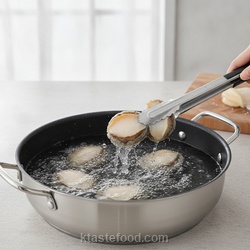
- Clean and Blanch the Abalones: Thoroughly clean the fresh abalones using a stiff brush or a dedicated abalone brush, scrubbing away any black residue, especially around the edges. Bring a pot of water to a rolling boil. Carefully add the cleaned abalones to the boiling water and blanch for exactly 3 minutes. This quick blanching helps to loosen the abalone meat from its shell.
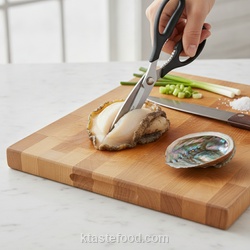
- Separate Abalone Meat and Guts: Once blanched, immediately remove the abalones from the hot water. Using kitchen shears or a small knife, carefully separate the abalone meat from its shell. Then, using the shears, meticulously cut along the natural seam to separate the abalone meat from its dark green-gray guts. Keep the guts aside for the sauce and the clean abalone meat for later.
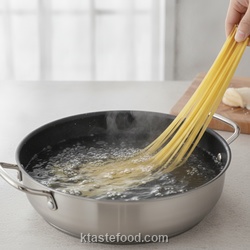
- Cook the Spaghetti: In a separate large pot, bring generously salted water to a rolling boil. Add the spaghetti and cook according to package instructions, typically for 7 minutes, or until al dente. Reserve about 1/2 cup (120 ml) of the pasta water before draining the spaghetti.
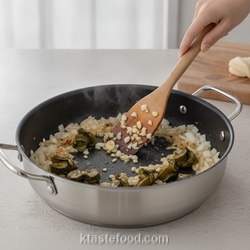
- Sauté Abalone Guts and Aromatics: Heat 1 tablespoon of cooking oil in the Wide 28cm Stainless Steel Non-Stick Skillet over medium-high heat. Add the reserved abalone guts, minced garlic, and finely diced yellow onion. Sauté, stirring frequently, until the onions are translucent, the garlic is fragrant, and the abalone guts are deeply aromatic and slightly caramelized, almost looking like they might stick to the pan.
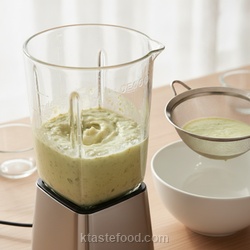
- Blend the Creamy Abalone Gut Sauce: Carefully transfer the sautéed abalone guts, garlic, and onion mixture from the skillet into a blender. Add the whole milk. Blend on high speed until the mixture is completely smooth and no visible solids remain, creating a luscious, creamy, pale green sauce. For an extra velvety texture, you can pass the sauce through a fine-mesh sieve.
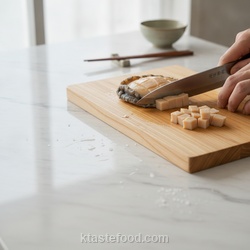
- Prepare the Abalone Meat: Take the cleaned abalone meat and make two shallow cross-hatch scores on one side of each piece. Then, finely dice the abalone meat into small, bite-sized pieces. As Baek Jong-won wisely advises, chopping the abalone finely helps distribute its exquisite flavor throughout the dish and makes it appear more abundant!
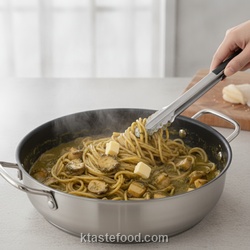
- Final Sauté and Sauce Assembly: Return the Wide 28cm Stainless Steel Non-Stick Skillet to medium heat and add the remaining 1 tablespoon of cooking oil. Sauté the diced abalone meat for just 30 seconds to 1 minute, until lightly seared. Add the cooked spaghetti, the blended abalone gut sauce, and the cold cubes of unsalted butter to the skillet. Toss everything together, adding a splash of reserved pasta water if the sauce is too thick. Season with a pinch of fine sea salt at a time, tasting and adjusting until the flavor is perfectly balanced.
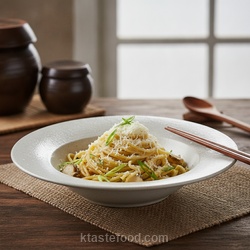
- Garnish and Serve Immediately: Divide the creamy abalone pasta into serving bowls. Garnish generously with Parmesan cheese powder and thinly sliced green onions. Serve immediately to enjoy the freshest flavors and textures.
Notes
Join K-Taste Food
Sign in with Google to explore exclusive Korean recipes and get instant updates.
💡 Smart International Ingredient Substitutions
- Fresh Abalones: Substitute with Large Sea Scallops or Shrimp (For a similar luxurious texture and flavor, use large pan-seared sea scallops or plump shrimp. Adjust cooking time as needed to avoid overcooking.)
- Whole Milk: Substitute with Heavy Cream or Oat Milk (Heavy cream will yield an even richer sauce. For a dairy-free option, use unsweetened, full-fat oat milk, which offers a good creaminess without overwhelming the abalone flavor.)
- Parmesan Cheese Powder: Substitute with Nutritional Yeast (For a dairy-free or vegan alternative that still provides a savory, umami depth, sprinkle nutritional yeast on top.)
🍽️ Perfect Korean Food Pairings (What to Serve With This)
- The Secret to Silky, Jiggly Korean Steamed Eggs (Gyeran Jjim): Achieve Pudgy Perfection: The delicate, savory, and comforting texture of Gyeran Jjim provides a wonderful contrast to the rich and creamy abalone pasta, offering a balanced and soothing element to your meal.
- The Ultimate Guide to Crunchy & Savory Korean Soybean Sprout Side Dish (Kongnamul Muchim): The refreshing crunch and light seasoning of Kongnamul Muchim cuts through the richness of the pasta beautifully, adding a fresh, crisp vegetable component that cleanses the palate.
- Master the Art of Floating Rice Grain Sikhye: Pristine Korean Sweet Rice Punch for Festive Occasions: A chilled glass of Sikhye provides a wonderfully refreshing and subtly sweet counterpoint to the savory seafood pasta, offering a traditional Korean beverage that aids digestion and delights the senses.
❓ Frequently Asked Questions (FAQ)
Q: Can I use frozen or canned abalone for this recipe?
While fresh abalone offers the best texture and flavor, you can use high-quality frozen abalone (thaw completely before use) or canned abalone for convenience. For canned abalone, drain and rinse well, then gently sauté for a shorter time to avoid toughening.
Q: How do I ensure the abalone meat stays tender?
The key is quick cooking. Blanching for just 3 minutes helps tenderize it slightly, and then sautéing the diced abalone meat for only 30 seconds to 1 minute in the final step is crucial. Overcooking abalone will make it rubbery.
Q: Is it safe to eat abalone guts?
Yes, abalone guts (gonads and digestive organs) are a delicacy in many cultures, including Korea, and are packed with umami. Ensure the abalone is fresh and properly cleaned. Blending them into the sauce is a traditional Korean way to extract maximum flavor and nutrients.
Q: Can I make this pasta dish spicier?
Absolutely! For a subtle kick, you can add a pinch of Korean gochugaru (chili flakes) or a tiny bit of chopped fresh red chili along with the garlic and onion in step 4. Be mindful not to overpower the delicate abalone flavor.
Sister’s Secret Touch: Sister’s Secret Touch: The true magic of this Abalone Pasta lies in harnessing the rich umami from the abalone guts. When sautéing them with garlic and onion in Step 4, don’t be afraid to let them caramelize slightly – this deepens the flavor profile significantly, almost to the point of a nutty ‘burnt’ aroma before blending. My mother always said, ‘A little char adds character!’ Also, when you’re blending the sauce, ensure it’s absolutely silky smooth; any remaining chunks can disrupt the luxurious mouthfeel. Finally, taste as you go, especially when adding salt in Step 7. Abalone and Parmesan already bring salinity, so season incrementally until it sings on your palate. And remember, the abalone meat should be cooked just enough to be tender, never tough – a quick sear is all it needs to shine!
🏷️ Recipe Keywords & Dietary Tags: