Korean-Banquet-Noodles-Janchi-Guksu-A-Timeless-Family-Heritage-in-Every-Bow
Discover authentic Korean Janchi Guksu (Banquet Noodles). Learn how the unbroken noodles symbolizing longevity and vibrant Obangsaek garnishes create the ultimate bowl of traditional comfort food
Ingredients
- 200 g 7 oz / approx. 2 servings Dried thin wheat noodles (Somyun)
- 1.5 L about 6 cups Water
- 10 ea Large dried anchovies
- 1 piece approx. 4×4 inches Dried kelp (Dashima)
- 2~3 ea Korean soup broth packs (or broth tablets) Alternative broth option
- 150 g about 1.5 cups julienned Zucchini
- 70 g about 2/3 cup julienned Carrot
- 1 ea Large Egg
- 30 ml 2 tablespoons Soy sauce
- 5 ml 1 teaspoon Sesame oil
- 1 stalk Scallion finely chopped
- 1 sheet Roasted seaweed Gim, crushed or shredded
- 2 g about 1/2 teaspoon Salt
- 5 g about 1 teaspoon Gochugaru (Korean red pepper flakes) — Optional
Instructions
- Step 1: Deep Umami BrothInstructions: Boil water with dried anchovies and kelp for 15 minutes to create a deep umami broth base and then remove the solids. or Boil 1.5 L of water with 2 to 3 Korean soup broth packs (or broth tablets) for 10 to 15 minutes to create a deep umami broth base, then remove the packs.

- Step 2: Sautéed VeggiesInstructions: Lightly sauté the julienned zucchini and carrots with a pinch of salt in a pan until they are softened but still vibrant.

- Step 3: Delicate Egg GarnishInstructions: Fry the beaten egg into a thin omelet, roll it up, and slice into delicate ribbons to serve as a traditional yellow garnish.

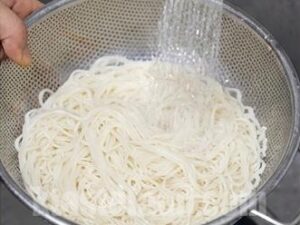
- Step 4: Chewy NoodlesInstructions: Cook the wheat noodles in boiling water for 3 to 4 minutes and immediately rinse them in cold water to ensure a chewy texture.
- Step 5: Assembly & SeasoningInstructions: Season the hot broth with soy sauce and salt before pouring it over the noodles and arranging the colorful toppings on top.

Notes
The Cultural Roots of Janchi Guksu: A Dish of Celebration and Community
True to its name—Janchi meaning “feast” or “banquet” in Korean—Janchi Guksu has historically been the quintessential dish served at weddings, milestone birthdays, and major village celebrations. It carries a heartfelt wish for longevity and enduring relationships, symbolized by its long, unbroken noodles.
Beyond formal banquets, this comforting bowl is deeply tied to Korea’s agricultural heritage. During busy farming seasons, rural communities would gather for cooperative labor, sharing hearty midday snacks (saecham) featuring sliced boiled pork (suyuk), makgeolli (traditional rice wine), and warm bowls of noodles. Even today, visiting the Korean countryside during warm seasons reveals a living tradition where locals still gather over shared tables of pork, kimchi, and comforting noodles to celebrate community and hard work. Optional Enhancements: Easy Garnishes and Mild Seasoning Sauce
To elevate your bowl of Janchi Guksu, you can easily customize it with a few simple toppings. A sprinkle of crushed seaweed (gim) or a dash of Japanese shichimi togarashi (or furikake) adds an extra layer of savory depth and a subtle aromatic kick.
For an even richer flavor, you can serve a mild, foreigner-friendly dipping sauce on the side instead of making it overly spicy. Mild Soy Seasoning Sauce Recipe:
– 2 tablespoons soy sauce
– 1 tablespoon water (to dilute the saltiness)
– 1 teaspoon toasted sesame oil 👉 Buy Premium Dried Thin Wheat Noodles (Somyun) Directly on Amazon Now 👉 Buy Premium Korean Soup Broth Directly on Amazon Now Pro-Tip on Korean Soy Sauce (Guk-ganjang): In traditional Korean cooking, soy sauce is generally divided into two main types: Jin-ganjang (regular/aged soy sauce) and Guk-ganjang (soup soy sauce). For the best results in this recipe, Soup Soy Sauce (Guk-ganjang) is highly recommended. It has a lighter color and a richer, saltier depth that drastically amplifies the deep umami flavor of the broth without darkening the soup or making it sweet! 👉 Buy Premium Korean Soup Soy Sauce Directly on Amazon Now 👉 Buy Premium Korean Sesame Oil Directly on Amazon Now As an Amazon Associate, I earn from qualifying purchases. Coming Up Next: Craving the ultimate Korean comfort food pairing? In our next post, we’re sharing the authentic recipe for Korean Boiled Pork Slices (Suyuk)—tender, juicy pork belly simmered with aromatic vegetables and served with fresh kimchi and warm noodles. Stay tuned! How to Make Tender Korean Boiled Pork (Suyuk) Without Any Gamey Odor – ktastefood.com The Best Crispy Bacon Kimchi Pancake (Kimchi-jeon Recipe) – ktastefood.com
True to its name—Janchi meaning “feast” or “banquet” in Korean—Janchi Guksu has historically been the quintessential dish served at weddings, milestone birthdays, and major village celebrations. It carries a heartfelt wish for longevity and enduring relationships, symbolized by its long, unbroken noodles.
Beyond formal banquets, this comforting bowl is deeply tied to Korea’s agricultural heritage. During busy farming seasons, rural communities would gather for cooperative labor, sharing hearty midday snacks (saecham) featuring sliced boiled pork (suyuk), makgeolli (traditional rice wine), and warm bowls of noodles. Even today, visiting the Korean countryside during warm seasons reveals a living tradition where locals still gather over shared tables of pork, kimchi, and comforting noodles to celebrate community and hard work. Optional Enhancements: Easy Garnishes and Mild Seasoning Sauce
To elevate your bowl of Janchi Guksu, you can easily customize it with a few simple toppings. A sprinkle of crushed seaweed (gim) or a dash of Japanese shichimi togarashi (or furikake) adds an extra layer of savory depth and a subtle aromatic kick.
For an even richer flavor, you can serve a mild, foreigner-friendly dipping sauce on the side instead of making it overly spicy. Mild Soy Seasoning Sauce Recipe:
– 2 tablespoons soy sauce
– 1 tablespoon water (to dilute the saltiness)
– 1 teaspoon toasted sesame oil 👉 Buy Premium Dried Thin Wheat Noodles (Somyun) Directly on Amazon Now 👉 Buy Premium Korean Soup Broth Directly on Amazon Now Pro-Tip on Korean Soy Sauce (Guk-ganjang): In traditional Korean cooking, soy sauce is generally divided into two main types: Jin-ganjang (regular/aged soy sauce) and Guk-ganjang (soup soy sauce). For the best results in this recipe, Soup Soy Sauce (Guk-ganjang) is highly recommended. It has a lighter color and a richer, saltier depth that drastically amplifies the deep umami flavor of the broth without darkening the soup or making it sweet! 👉 Buy Premium Korean Soup Soy Sauce Directly on Amazon Now 👉 Buy Premium Korean Sesame Oil Directly on Amazon Now As an Amazon Associate, I earn from qualifying purchases. Coming Up Next: Craving the ultimate Korean comfort food pairing? In our next post, we’re sharing the authentic recipe for Korean Boiled Pork Slices (Suyuk)—tender, juicy pork belly simmered with aromatic vegetables and served with fresh kimchi and warm noodles. Stay tuned! How to Make Tender Korean Boiled Pork (Suyuk) Without Any Gamey Odor – ktastefood.com The Best Crispy Bacon Kimchi Pancake (Kimchi-jeon Recipe) – ktastefood.com
🎁
Join the K-Taste VIP Food Club
Sign in with Google to save your favorite recipes, create custom meal plans, and get weekly Korean chef secrets delivered to your inbox!
🔒 100% Free Forever
•
🛡️ No Spam Guarantee
•
⚡ 1-Click Instant Access
By continuing, you agree to our Privacy Policy and Terms of Service.
More recipes to cook next
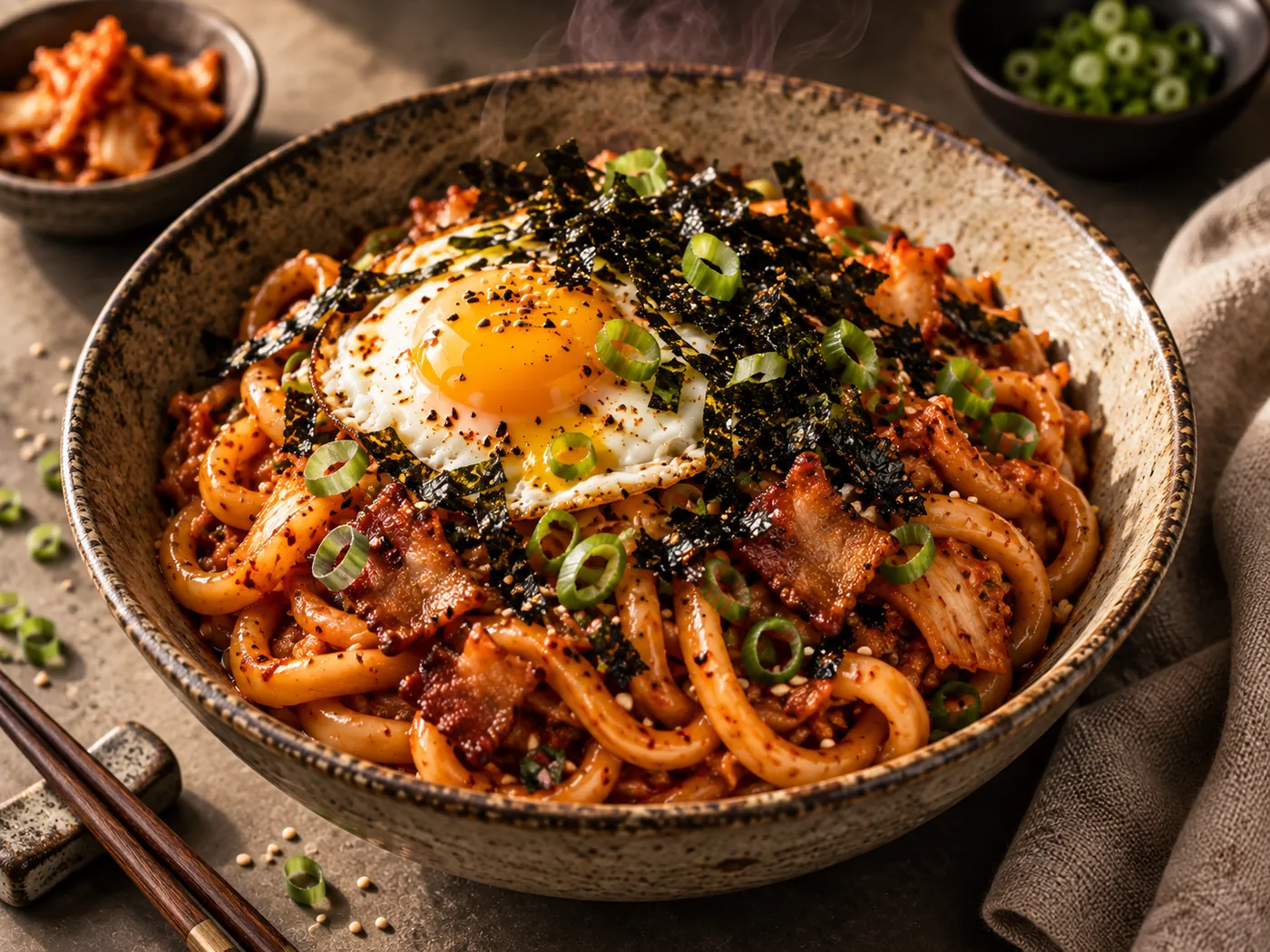
Spicy Kimchi Udon with Bacon, Hot Sauce & Gim
Noodles · 20 min
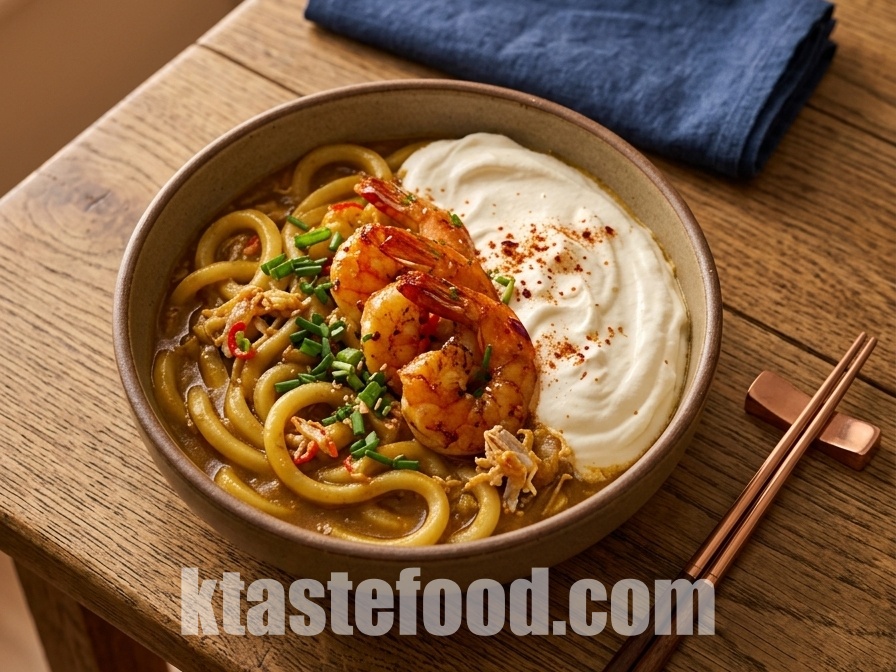
Creamy Shrimp Udon with Whipped Cream Dollop: One-Pan Gourmet Fusion Udon Recipe
Noodles · 30 min
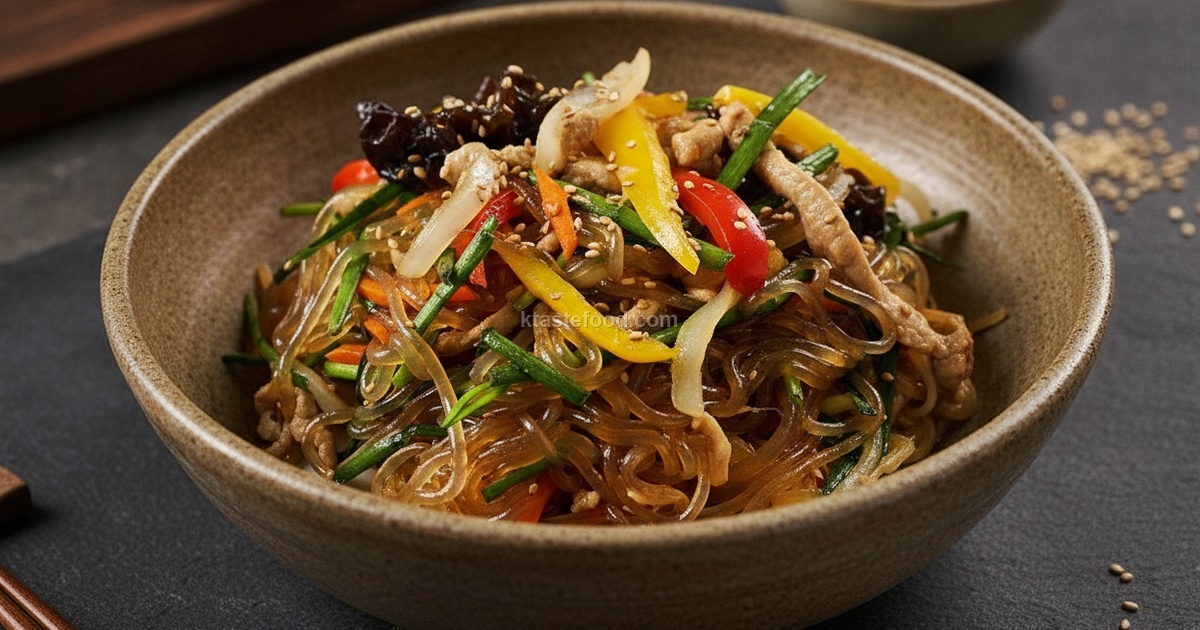
Saengsaengjeongbotong's Secret Japchae: Master the Golden Ratio for Unforgettable Glass Noodles!
Noodles · 55 min
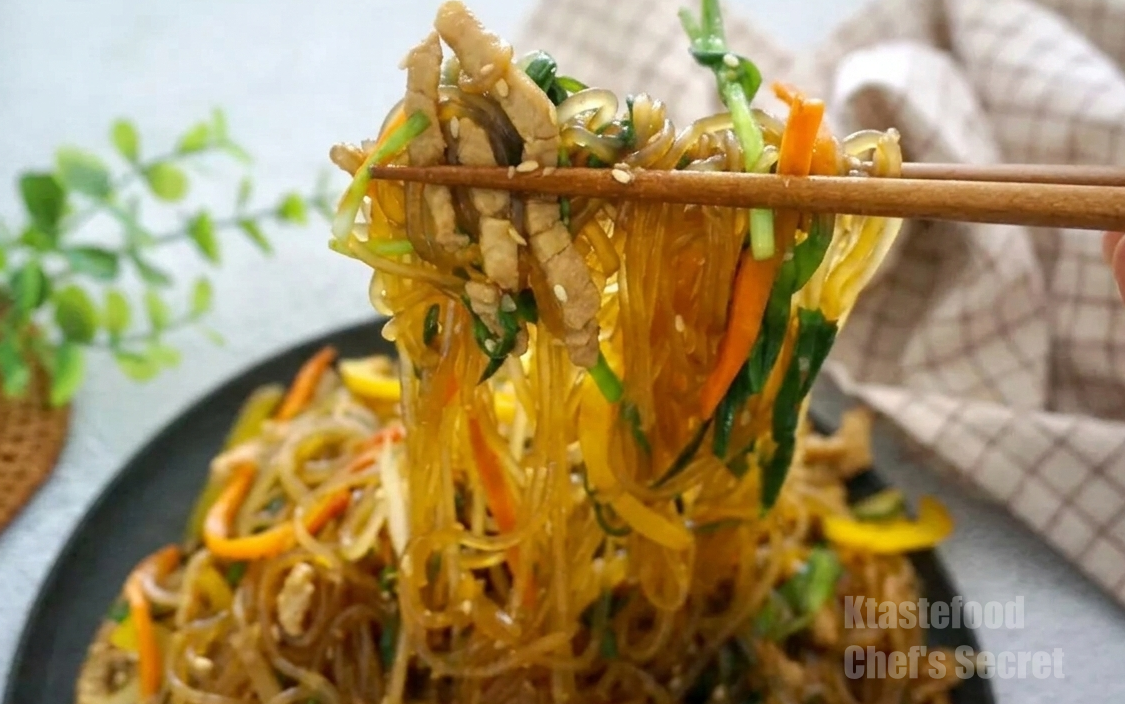
Traditional Korean Japchae
Noodles · 50 min

Chilled Velvet Soybean Milk Summer Noodles (Kongguksu): Korea's Creamy Plant-Protein Elixir (콩국수)
Noodles · 30 min
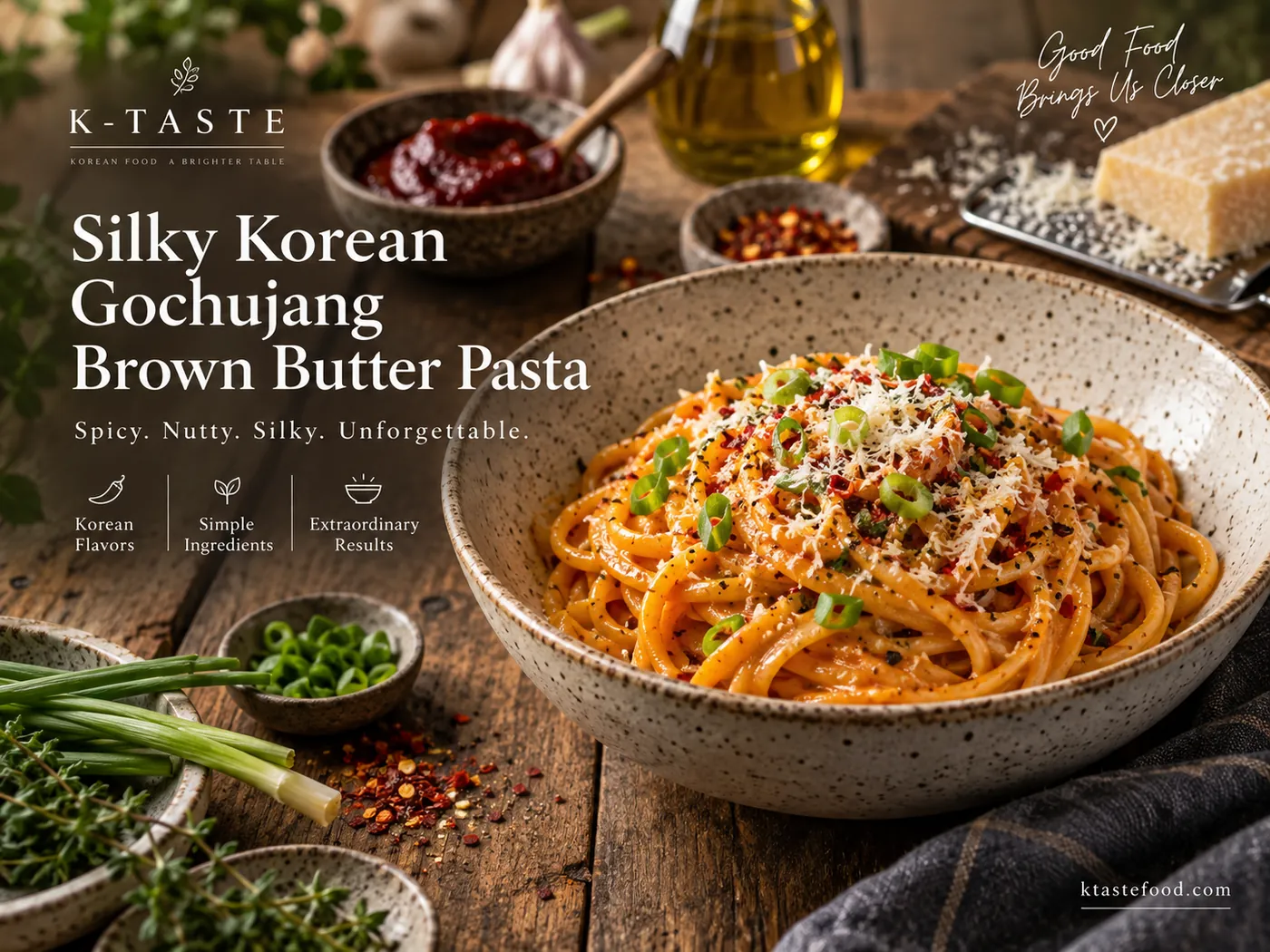
Silky Korean Gochujang Brown Butter Pasta
Noodles · 30 min