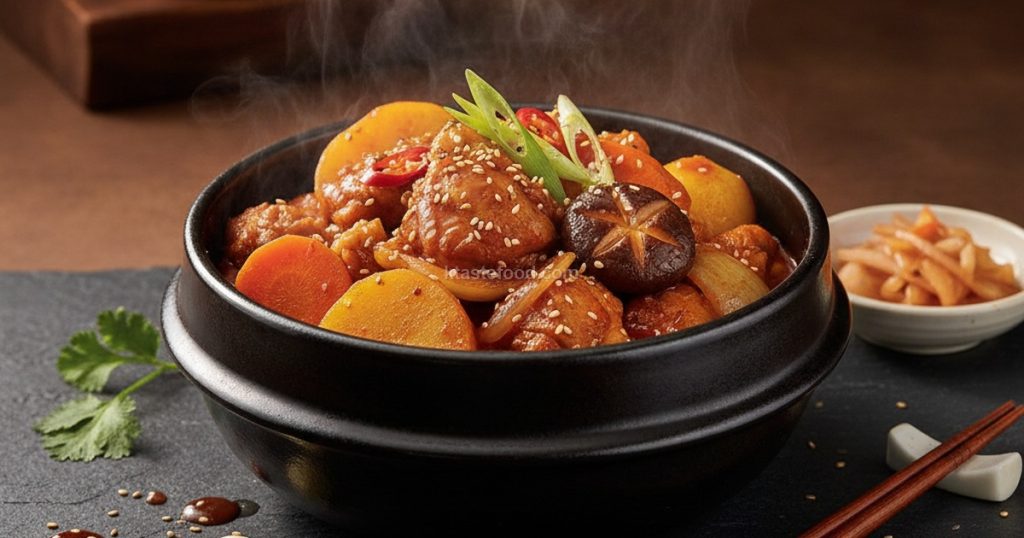
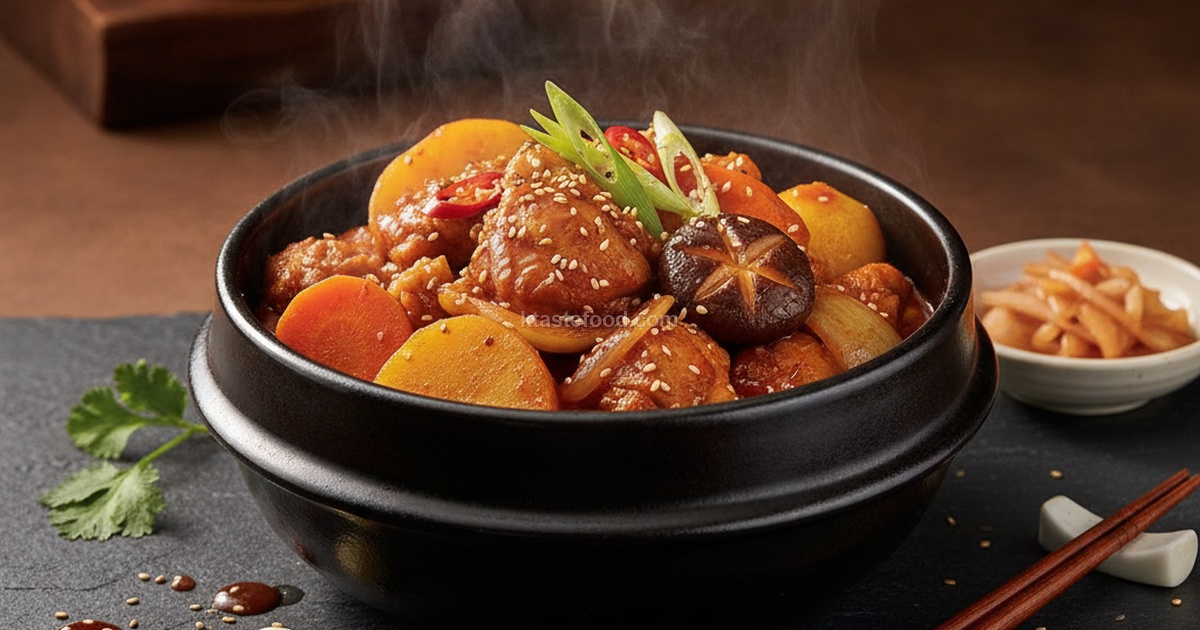
Dakbokkeumtang (닭볶음탕), often translated as Spicy Braised Chicken, is a beloved Korean stew renowned for its comforting warmth and robust flavors. This dish features succulent chicken pieces, hearty potatoes, and tender carrots, all simmered in a vibrant gochujang-based sauce that strikes a perfect balance between sweet, savory, and spicy. Ideal for a family dinner or a cozy night in, it’s designed to be scooped generously over a bowl of steaming rice.
📋 Official Recipe Card: The Ultimate Fiery & Flavorful Korean Braised Chicken (Dakbokkeumtang)
Discover the art of creating perfectly tender chicken simmered in a rich, spicy, and deeply savory sauce. Our Dakbokkeumtang recipe promises a comforting explosion of Korean flavors.
⏱️ Prep Time: 25 minutes
🔥 Cook Time: 40 minutes
🍽️ Servings: 3-4 servings
⚡ Calories: 680 kcal
🥕 Ingredients
- 1.2 kg (approx. 2.6 lbs) chicken, cut into stewing pieces (닭볶음용)
- 2 medium potatoes, peeled and cut into large chunks (감자)
- 1 medium carrot, peeled and cut into large chunks (당근)
- 1 medium onion, cut into wedges (양파)
- 2 stalks green onions (scallions), cut into 2-inch pieces (대파)
- 400 ml (approx. 1.7 cups) water
- 3 tablespoons Korean gochujang (고추장)
- 4 tablespoons Korean gochugaru (red chili flakes) (고춧가루)
- 3 tablespoons soy sauce (간장)
- 2 tablespoons Korean corn syrup or rice syrup (물엿)
- 3 tablespoons mirin (cooking wine) (맛술)
- 1 tablespoon minced garlic (다진 마늘)
- 1 tablespoon sugar (설탕)
- 1/2 teaspoon black pepper (후추)
- Optional: 1-2 Cheongyang chili peppers, sliced (for extra heat) (청양고추)
👩🍳 Step-by-Step Instructions
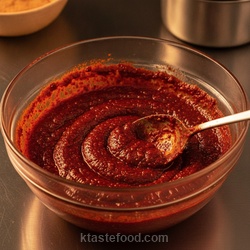
Prepare the Signature Spicy Sauce: In a large mixing bowl, combine the gochujang, gochugaru, soy sauce, corn syrup (or rice syrup), mirin, minced garlic, sugar, and black pepper. Stir well until all ingredients are thoroughly mixed into a smooth, vibrant paste. This is the heart of your Dakbokkeumtang’s flavor.
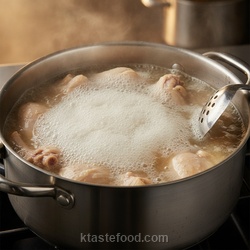
Blanch and Cleanse the Chicken: To ensure a clean and rich broth, first blanch the chicken pieces. Place the cut chicken into a large pot, cover with cold water, and bring to a rolling boil over high heat. Boil for about 3-5 minutes, skimming off any impurities that rise to the surface. Drain the chicken in a colander and rinse thoroughly under cold running water to remove any remaining scum or excess fat. This step significantly enhances the flavor and cleanliness of the final stew.
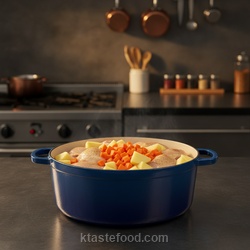
Assemble Chicken, Potatoes, and Carrots: Place the rinsed, blanched chicken pieces back into a clean large pot or Dutch oven. Add the prepped potato chunks and carrot chunks around the chicken. These root vegetables will absorb the delicious sauce and become wonderfully tender as they cook.
Initial Simmer with Most of the Sauce: Pour 400 ml (approx. 1.7 cups) of water into the pot with the chicken and vegetables. Then, add about two-thirds (2/3) of the prepared spicy sauce. Stir gently to coat the ingredients. Bring the mixture to a vigorous boil over high heat. The broth should be ample enough to thoroughly coat the ingredients and be perfect for mixing with rice later.
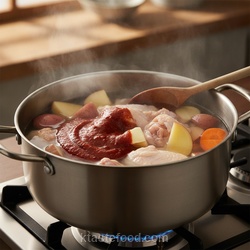
Low Simmer to Tenderize and Develop Flavors: Once boiling rapidly, reduce the heat to medium-low, cover the pot partially, and let it simmer for about 20-25 minutes, or until the chicken is tender and the potatoes and carrots are cooked through. During this time, the flavors will meld beautifully. Taste the broth; if it needs more seasoning, add a portion of the remaining sauce from Step 1, stirring it in thoroughly.
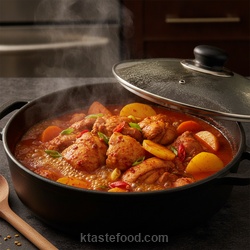
Add Remaining Aromatics and Finalize Broth: When the broth has thickened slightly and the chicken and vegetables are tender, add the onion wedges and green onion pieces to the pot. If you desire extra heat, now is the time to add the sliced Cheongyang chili peppers. Increase the heat back to high and boil for another 5-7 minutes, uncovered, until the onions are softened, and the green onions are vibrant. This final burst of heat brings out the fresh flavors of the aromatics.
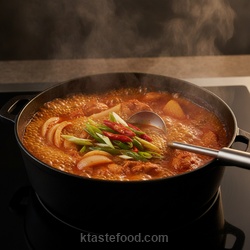
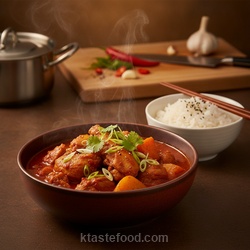
Serve Hot and Enjoy!: Your flavorful Dakbokkeumtang is now complete! Ladle generous portions into bowls, ensuring each serving has plenty of tender chicken, soft vegetables, and rich, spicy broth. It’s best enjoyed immediately, served with freshly cooked white rice. Don’t forget to mix the broth with your rice for the ultimate Korean comfort experience!
Join K-Taste Food
Sign in with Google to explore exclusive Korean recipes and get instant updates.
💡 Smart International Ingredient Substitutions
- Korean gochujang: Substitute with Sriracha or red chili paste (While sriracha offers heat, it lacks the fermented depth of gochujang. Start with less and adjust to taste, adding a pinch of sugar for sweetness.)
- Korean gochugaru: Substitute with Standard red pepper flakes or cayenne pepper (Use half the amount of standard chili flakes or cayenne as they tend to be spicier and lack the nuanced flavor of Korean gochugaru. Adjust according to your spice preference.)
- Mirin (cooking wine): Substitute with Dry white wine or sake (These can provide a similar subtle sweetness and complexity. Use an equal amount.)
- Korean corn syrup/rice syrup (mulyeot): Substitute with Honey or agave nectar (Use a slightly smaller amount as honey/agave can be sweeter. They will provide a similar glossy finish and subtle sweetness.)
🍽️ Perfect Korean Food Pairings (What to Serve With This)
- The Secret to Silky, Jiggly Korean Steamed Eggs (Gyeran Jjim): Achieve Pudgy Perfection: The mild, custardy texture of Gyeran Jjim offers a soothing counterpoint to the vibrant spice of Dakbokkeumtang, creating a balanced and comforting meal.
- The Ultimate Guide to Crunchy & Savory Korean Soybean Sprout Side Dish (Kongnamul Muchim): The refreshing crunch and light seasoning of Kongnamul Muchim provide a wonderful textural and flavor contrast to the rich, hearty Dakbokkeumtang, cleansing the palate between bites.
❓ Frequently Asked Questions (FAQ)
Q: Can I make Dakbokkeumtang less spicy?
Absolutely! To reduce the heat, you can decrease the amount of gochugaru (Korean red chili flakes) and gochujang (Korean chili paste). Start with half the recommended amount for both and add more to taste, or omit the optional Cheongyang chili peppers.
Q: What kind of chicken is best for Dakbokkeumtang?
A whole chicken, cut into stewing pieces (bone-in, skin-on) is traditional as the bones add depth to the broth. However, you can also use bone-in chicken thighs or drumsticks for a quicker cooking time, or even boneless chicken pieces, though the flavor profile might be slightly less rich.
Q: How do I store and reheat leftover Dakbokkeumtang?
Store leftovers in an airtight container in the refrigerator for up to 3-4 days. To reheat, transfer to a pot and simmer gently over medium heat until warmed through, adding a splash of water if the sauce has thickened too much.
Q: Can I add other vegetables to Dakbokkeumtang?
Yes, Dakbokkeumtang is very versatile! Feel free to add other root vegetables like sweet potatoes, or leafy greens like napa cabbage or perilla leaves towards the end of cooking for added flavor and nutrition.
Chef Park’s Kitchen Advice: A Note from Park’s Kitchen: The blanching step for the chicken might seem extra, but it’s crucial for achieving a clean, pure broth without any gamey taste or unsightly scum. Don’t skip it! Also, remember to taste and adjust the seasoning throughout the cooking process. The initial 2/3 sauce is a guideline; your palate is the best judge for the perfect balance of spicy, sweet, and savory.
Join the K-Taste VIP Food Club
Sign in with Google to save your favorite recipes, create custom meal plans, and get weekly Korean chef secrets delivered to your inbox!