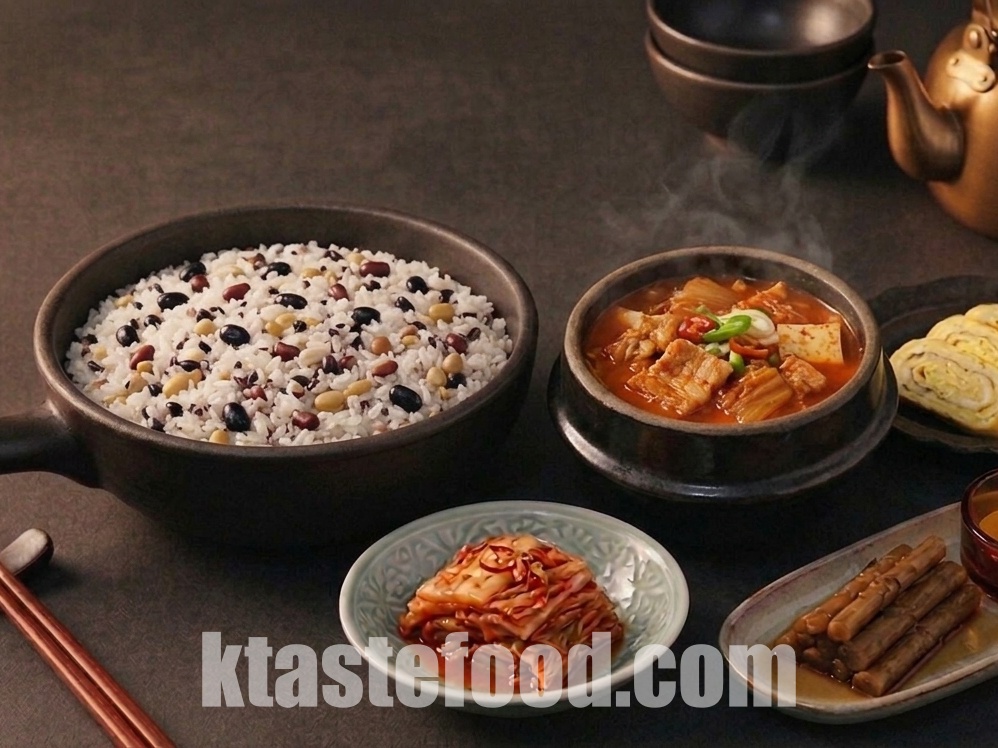
Beyond the convenience of a rice cooker lies the authentic charm of Korean pot rice, or Naembi Bap. This simple yet profound method delivers perfectly fluffy, individual grains with a delightful chew, often developing a coveted 누룽지 (nurungji) or crispy bottom. Our guide makes mastering this Korean kitchen staple effortless, ensuring a wholesome and comforting base for any meal.
📋 Official Recipe Card: Master Fluffy Korean Pot Rice (Naembi Bap) Easily: No Rice Cooker Needed, Just Perfect Grains
Discover the secret to perfectly fluffy, subtly sticky Korean pot rice (Naembi Bap) – a comforting staple with a delightful texture, achieved effortlessly on your stovetop.
⏱️ Prep Time: 35 minutes
🔥 Cook Time: 20 minutes
🍽️ Servings: 3-4 servings
⚡ Calories: 360 kcal
🥕 Ingredients
- 360ml (2 cups) Korean short-grain white rice
- 450ml (2.5 cups) cold water
👩🍳 Step-by-Step Instructions
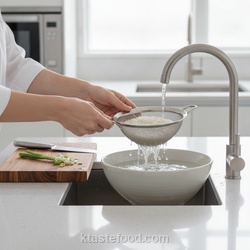
Rinse and Soak the Rice: Begin by thoroughly rinsing 2 cups (360ml) of Korean short-grain rice under cold running water in a fine mesh sieve until the water runs clear. Transfer the rinsed rice to a large mixing bowl, cover with fresh cold water, and let it soak for at least 30 minutes. This crucial step ensures even cooking and a fluffy texture.
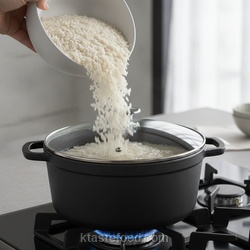
Combine Rice and Water in Pot, Bring to a High Boil: After 30 minutes, drain the soaked rice completely. Carefully transfer the drained rice into your Heavy Matte-Black 24cm Cast-Iron Pot. Add 2.5 cups (450ml) of cold water to the pot. Securely close the pot with its flat glass lid and place it over high heat on your stovetop.
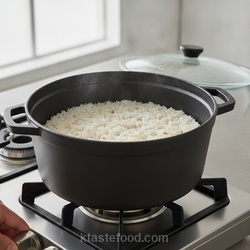
Open Lid After Rolling Boil: Keep the pot on high heat. Within a few minutes, you will hear and see the water come to a rapid, rolling boil. As soon as you observe vigorous boiling, carefully lift the lid off the pot.
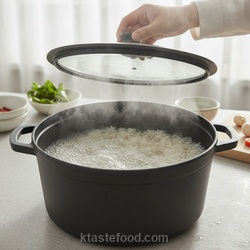
Reduce Heat to Medium: Once the water level has slightly reduced and the rice grains are clearly visible above the surface, immediately reduce the heat to medium. Continue to cook, uncovered, allowing the remaining water to be absorbed.
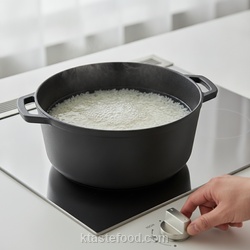
Simmer on Low Until Water Evaporates: As the water continues to diminish, and you see small steam holes appearing in the rice surface, reduce the heat further to low. Continue cooking until all the water has completely evaporated and you hear a distinct, subtle crackling sound from the bottom of the pot. Once this sound is heard, turn off the heat immediately.
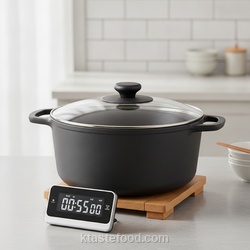
Rest and Steam for Fluffy Perfection: Immediately after turning off the heat, securely place the lid back onto the pot. Let the rice rest, undisturbed, for 5 minutes. This resting period, known as ‘뜸 들이기’ (tteum deuligi), allows the rice to fully steam through residual heat, resulting in perfectly fluffy grains.
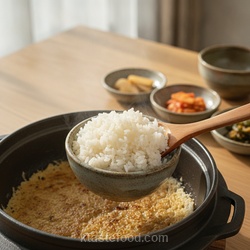
Fluff and Serve Your Perfect Pot Rice: After the resting period, remove the lid. Using a cooking spoon or spatula, gently fluff the rice by folding it from the bottom to the top. This releases excess steam and ensures every grain is separate and perfectly cooked, with a delightful ‘꼬슬꼬슬’ (kkoseul-kkoseul) or fluffy, non-sticky texture. Serve immediately as a warm and comforting base for any Korean meal.
Join K-Taste Food
Sign in with Google to explore exclusive Korean recipes and get instant updates.
💡 Smart International Ingredient Substitutions
- Korean Short-Grain White Rice: Substitute with Japanese Short-Grain Rice (This variety has a very similar starch content and texture, yielding a comparable fluffy and slightly sticky result.)
- Korean Short-Grain White Rice: Substitute with Medium-Grain White Rice (e.g., Calrose) (While slightly less sticky than short-grain, medium-grain rice will still produce a satisfying pot rice texture. Adjust water ratio slightly if needed.)
- Cold Water: Substitute with Light Vegetable or Chicken Broth (For a subtle depth of flavor, substitute plain water with a light broth. Be mindful that this will alter the classic clean taste of plain Naembi Bap.)
🍽️ Perfect Korean Food Pairings (What to Serve With This)
- The Secret to Silky, Jiggly Korean Steamed Eggs (Gyeran Jjim): Achieve Pudgy Perfection: The soft, savory texture of Gyeran Jjim perfectly complements the fluffy, clean taste of pot rice, offering a comforting and balanced meal.
- The Best Korean Braised Tofu (Dubu Jorim) – Savory, Spicy & Ready in 15 Minutes: Dubu Jorim’s rich, savory, and slightly spicy sauce is ideal for spooning over plain pot rice, creating a deeply satisfying bite that’s a Korean culinary staple.
- The Ultimate Guide to Crunchy & Savory Korean Soybean Sprout Side Dish (Kongnamul Muchim): The refreshing crunch and delicate seasoning of Kongnamul Muchim provide a wonderful textural and flavor contrast to warm, fluffy pot rice, making it an essential banchan pairing.
❓ Frequently Asked Questions (FAQ)
Q: How can I prevent my pot rice from sticking too much or burning at the bottom?
Using a heavy-bottomed pot like cast iron is key. Ensure you don’t stir the rice while it’s cooking, and reduce the heat to low as soon as the water level significantly drops. The ‘resting’ period off the heat also helps prevent scorching. A very thin, golden ‘nurungji’ (crispy rice) at the bottom is often desired, but excessive charring means the heat was too high or cooked too long on low.
Q: Can I use brown rice or other grains for this stovetop method?
While this recipe is optimized for short-grain white rice, you can adapt it for other grains. Brown rice, for instance, will require more water (typically 1:2 ratio) and a longer cooking time (often 40-50 minutes of simmering), in addition to a longer soaking period. Always adjust the water-to-rice ratio and cooking duration based on the specific grain and its instructions.
Q: What’s the ideal water-to-rice ratio for fluffy pot rice using this method?
For Korean short-grain rice that has been pre-soaked, a general rule is a 1:1.25 rice-to-water ratio. For this recipe, 2 cups of rice to 2.5 cups of water works perfectly, as the pre-soaking allows the rice to absorb initial moisture and ensures even cooking without being overly watery or dry.
Chef Park’s Kitchen Advice: A Note from Park’s Kitchen: The secret to truly exceptional Naembi Bap lies not just in the technique, but in the quality of your rice and patience. Don’t rush the soaking or the resting phases. Embrace the subtle alchemy of stovetop cooking; the result is a superior grain that elevates any Korean meal with its simple perfection. For an extra layer of flavor, you can add a tiny knob of butter or a drizzle of sesame oil when fluffing the rice, though it’s perfectly delicious as is.
Join the K-Taste VIP Food Club
Sign in with Google to save your favorite recipes, create custom meal plans, and get weekly Korean chef secrets delivered to your inbox!
More recipes to cook next

Korean Bulgogi Stuffed Peppers with Vegetable Fried Rice
Rice · 45 min
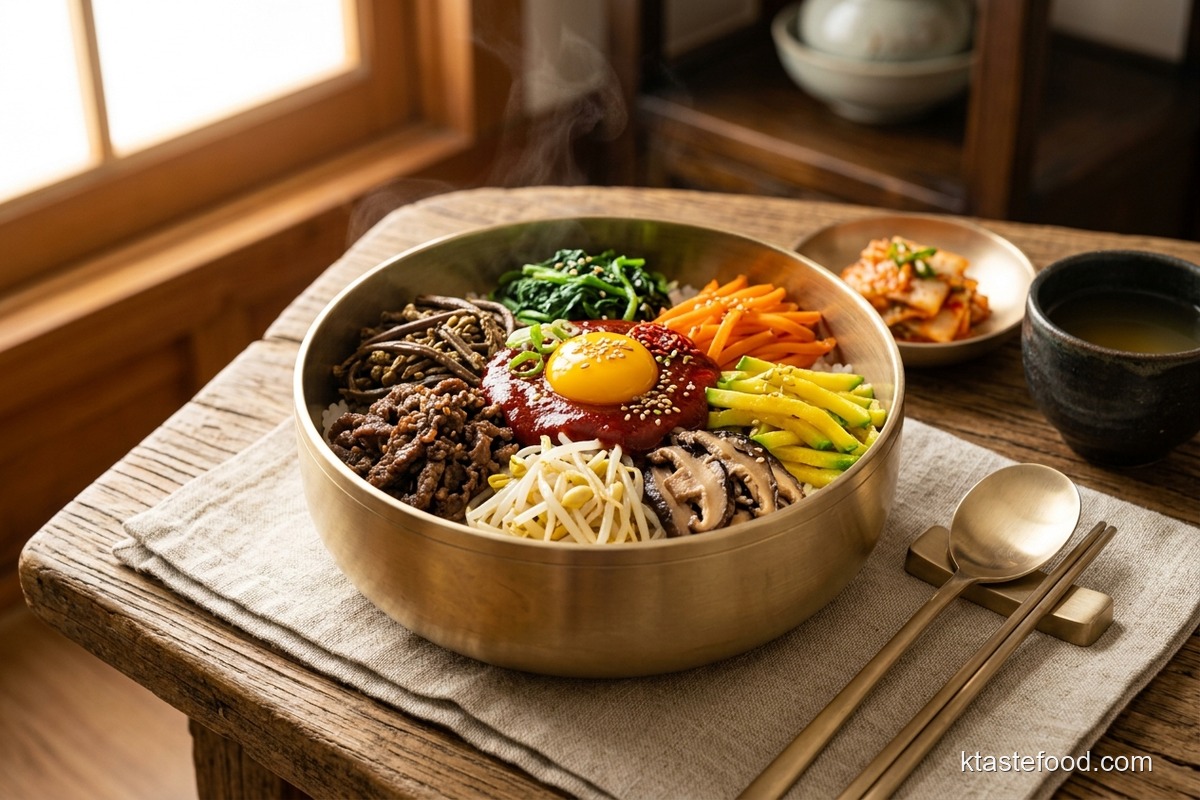
Seven-Jewel Rainbow Bibimbap Recipe (Korean Five-Color Rice Bowl)
Rice · 35 min
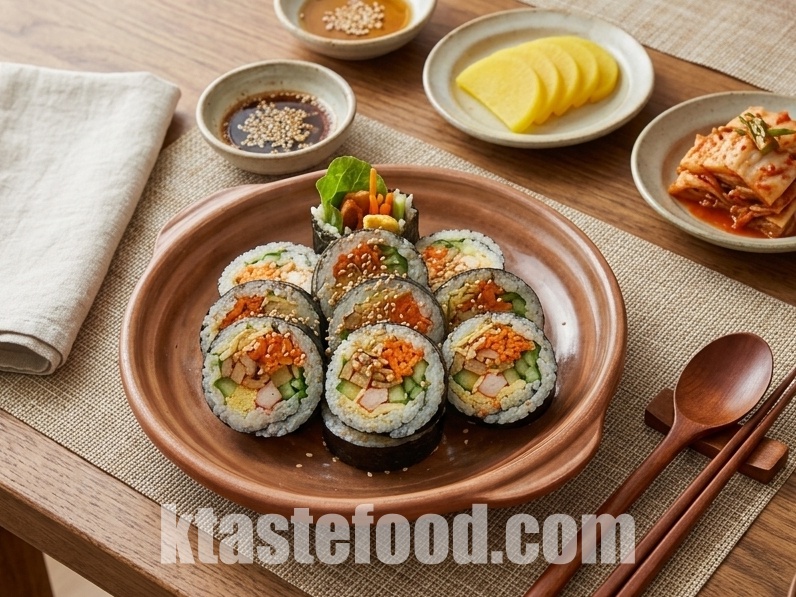
Vegetable Gimbap at Home: Easy Korean Gimbap Recipe
Rice · 50 min
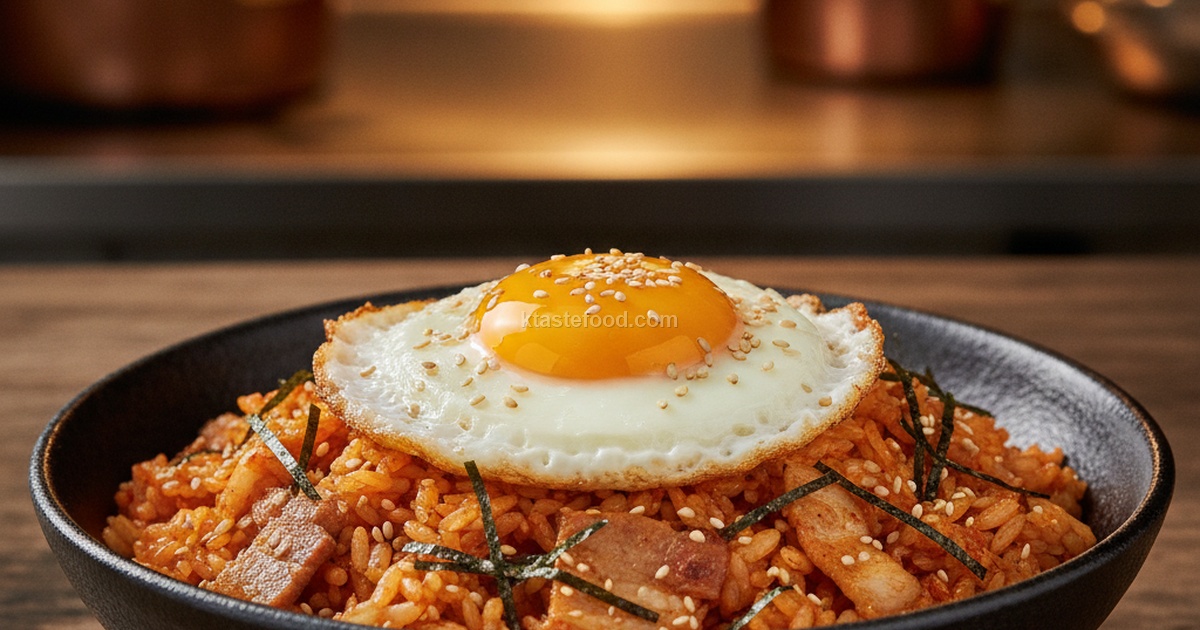
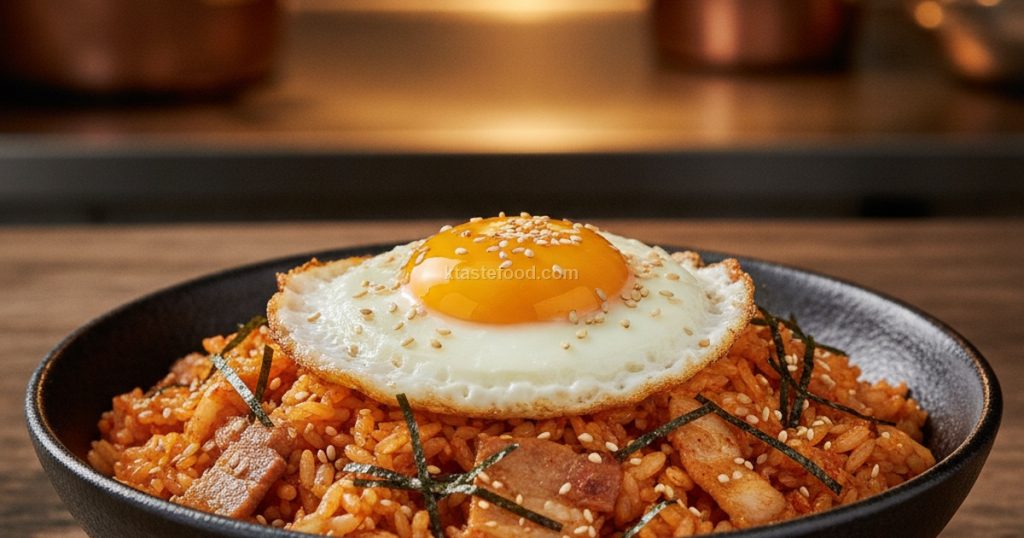
Seoul Street Golden Butter Kimchi Bokkeumbap: 15-Minute Restaurant-Style Kimchi Fried Rice with Crispy Spam & Golden Runny Egg
Rice · 20 min
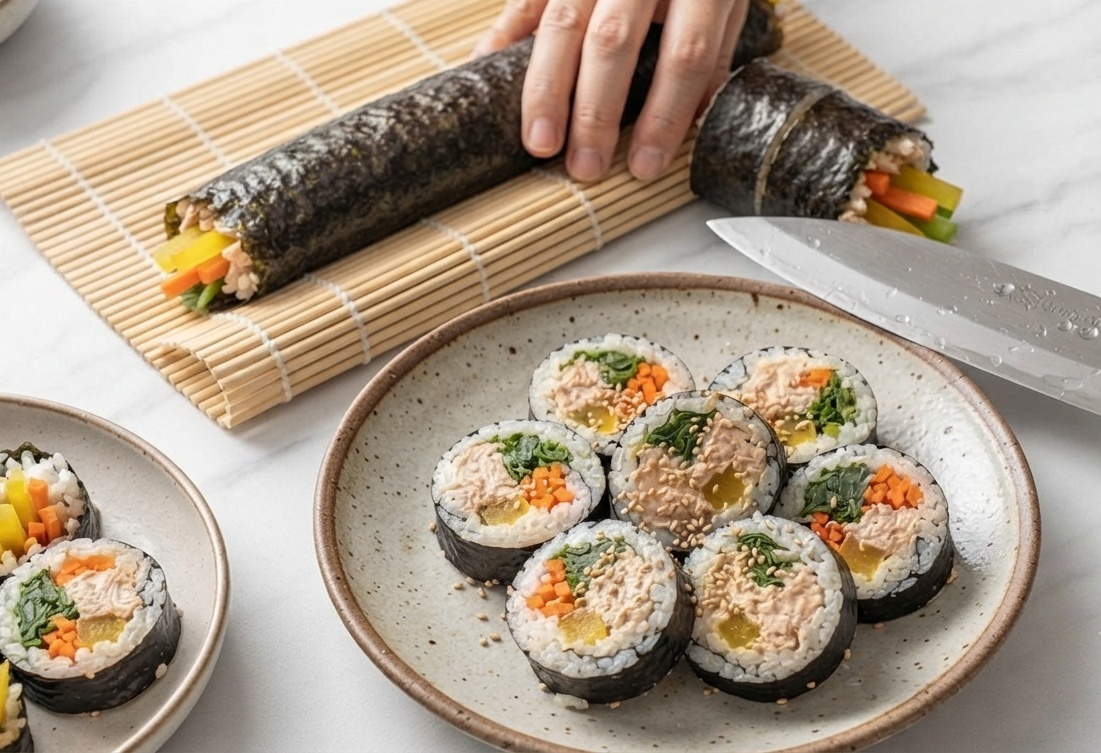
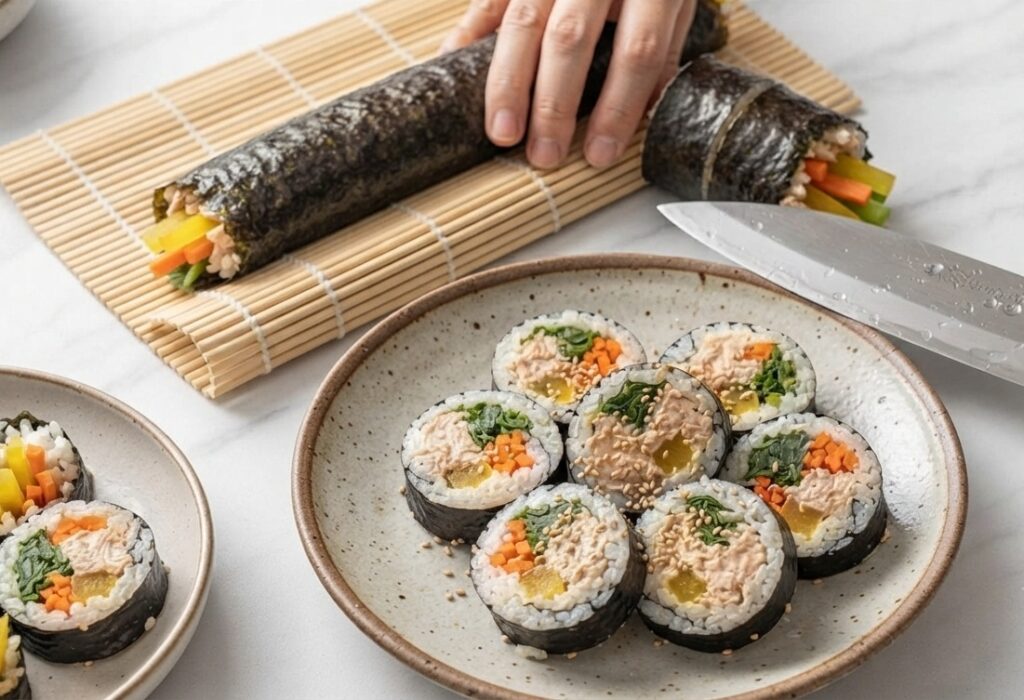
Beyond the Roll: The Art of Perfect Tuna Mayo Gimbap, Straight from a Korean Home Kitchen
Rice · 0 min

Spam Kimchi Rice Bowl with Kelp Broth
Rice · 25 min