#Tteokgalbi
On the ancient dinner table, the meat encountered by humans was not always a tender blessing; rather, tough tendons and coarse muscles stood as formidable walls that had to be overcome for survival. Humanity mastered the art of “destruction”—striking with sharp stones and slicing with knives—to break down the rigid structures of protein, marking a grand turning point where meat was no longer just a source of calories but a canvas for a chef’s intent. By transforming even the discarded, sinewy parts into tender “architectural masterpieces of the table,” this method became the first technological revolution in gastronomy, allowing humans to conquer the harshness of nature. Ultimately, minced meat is the result of relentless human inquiry and a compassionate desire to extract the finest flavor even from the most meager of circumstances.
Human
Wisdom
Overcoming
Rough
Textures

Survival

'Tartare'
and
'Patties'
Born
from
the
Path
of
Nomads
The epic journey of minced meat began beneath the saddles of Mongolian horsemen galloping across the vast steppes, where the “Tartare” method—placing raw meat under saddles to tenderize it—spread to the East and West alongside the rhythmic pounding of hooves. This survival wisdom of the nomads reached the port of Hamburg, Germany via Russia, donning the new attire of the “Hamburg Steak,” and eventually arrived in America to be reborn as the “Patty,” optimized for the rapid pace of an industrial society. Now sandwiched between buns and dispersed across the globe, these meat masses have transcended being mere food to become a monumental symbol of modern protein consumption and a global cultural icon. The process by which the desperate survival tactics of the Eurasian continent evolved into the modern hamburger patty—the pinnacle of contemporary food culture—represents one of the most dynamic evolutions in human culinary history.
Traditional

Diverse Variations Infused with Regional Identity
While the fundamental principle remains rooted in the act of mincing, each nation has layered its own unique cultural colors onto minced meat, shaped by its specific environment and historical scarcities. Whether it be the German “Frikadelle,” born of the commoners’ wisdom of mixing soaked bread and onions to stretch their meat supply, or the Middle Eastern “Köfte,” which bloomed amidst fierce flames with intense spices, these dishes encapsulate the joys, sorrows, and resourcefulness of people striving to turn lack into abundance. Furthermore, the Japanese “Hambāgu” adopted Western techniques but evolved into a delicate aesthetic that pursues extreme tenderness optimized for chopstick culture, maximizing the harmony between the meat and its sauce. In this way, despite using meat as a single primary ingredient, minced meat has become a mirror that vividly reflects the temperament and lifestyle of people inhabiting different lands through varying ingredients and cooking methods.
Tteokgalbi achieves
South Korea’s Choice: ‘Tteokgalbi’ and the Language of Care
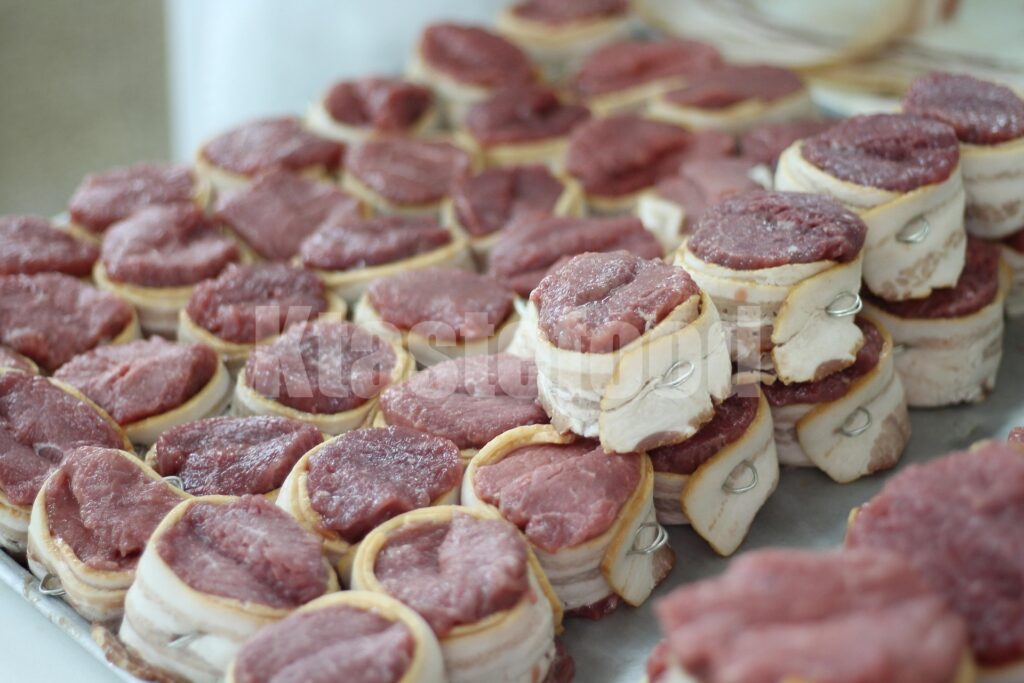
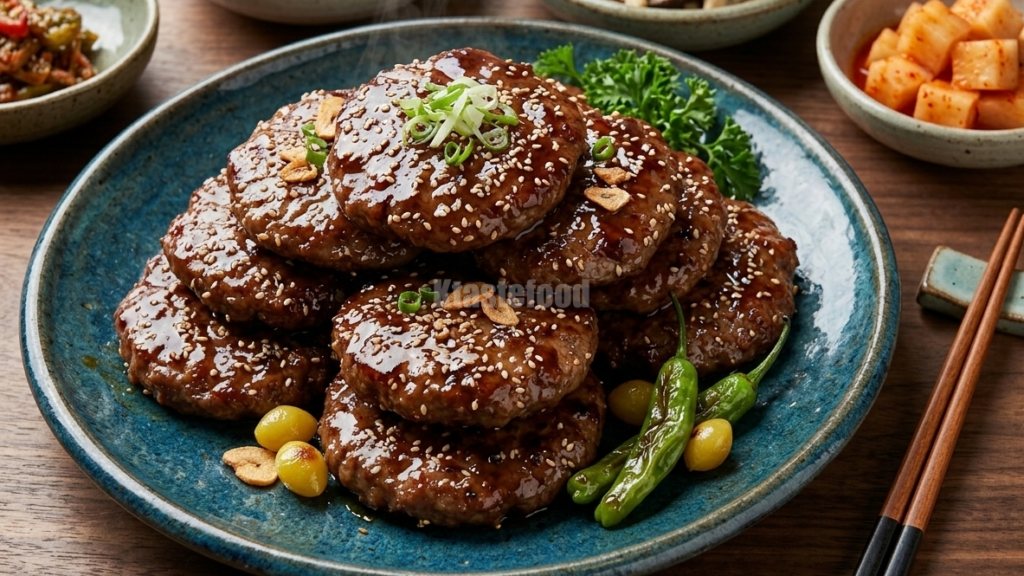
On the vast map of global minced meat, Korea’s “Tteokgalbi” occupies a unique coordinate of “the aesthetics of preserving the essence” by embracing the laborious task of deboning ribs only to meticulously reattach the meat to the bone. While Western patties focus on a loose texture that crumbles effortlessly for mass production, Tteokgalbi achieves a “density of sincerity” through a painstaking process of kneading and pounding—much like making rice cakes—to create a distinct elasticity. This process, where a soy-based marinade seeps into every crevice of the meat amidst the smoky aroma of charcoal, goes beyond a functional meal to showcase the essence of Eastern philosophy that prioritizes the dignity and hospitality shown to the diner. Ultimately, although the world’s many minced meat dishes differ in form and name, they connect us through a shared language of “care”—the universal human desire to share meat in the most tender and affectionate way possible.