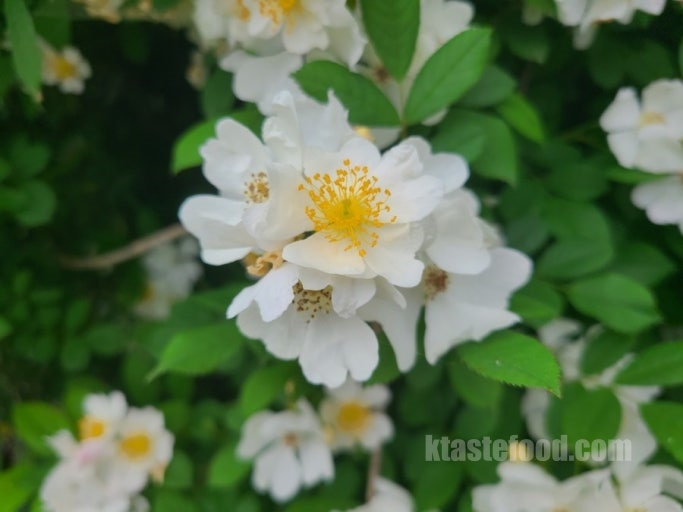
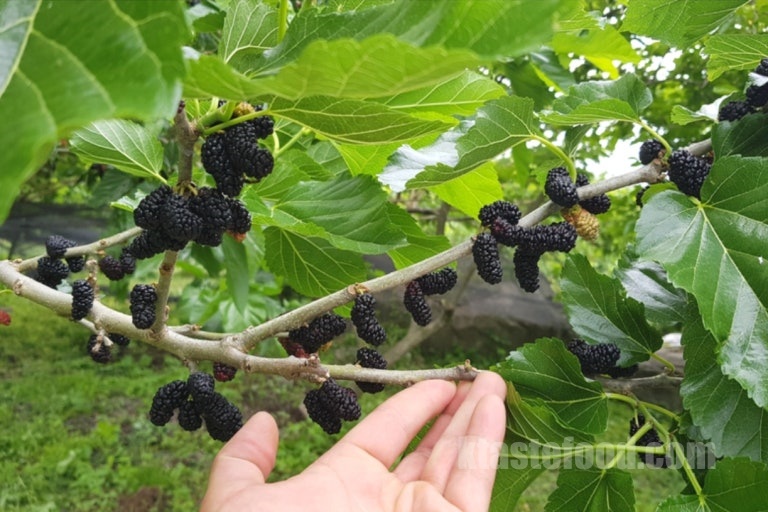
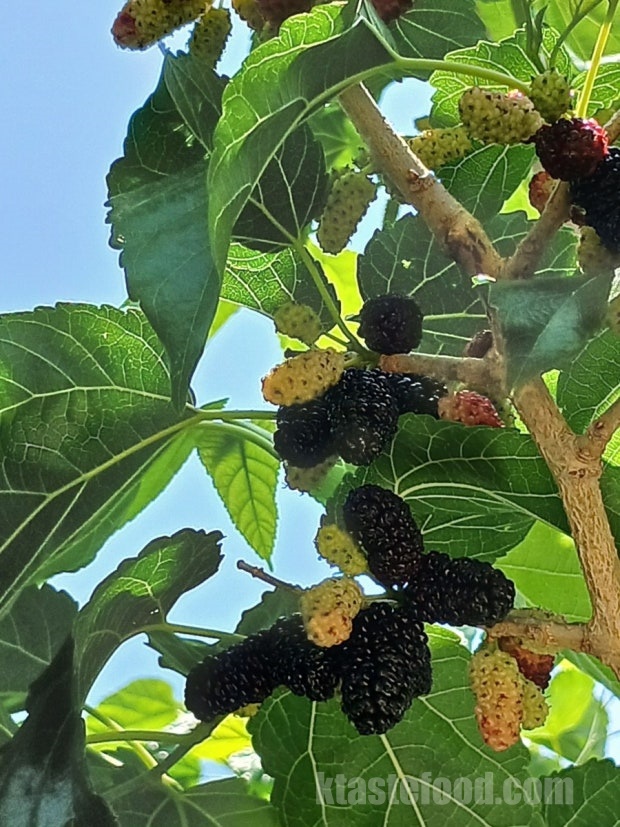
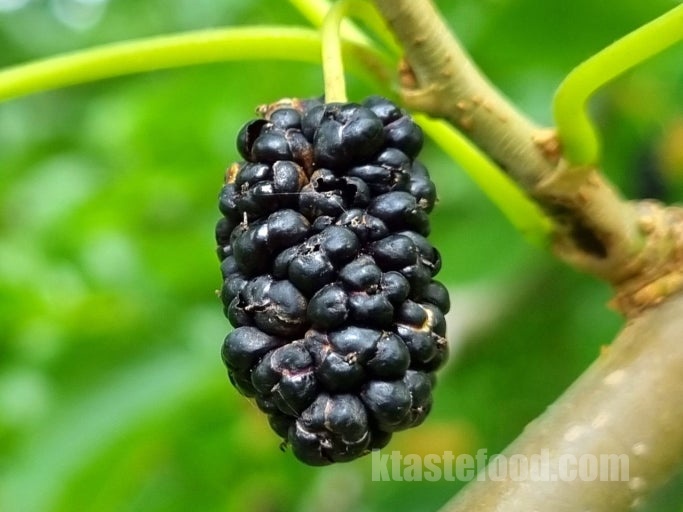
When late spring gently transitions into early summer—between late May and mid-June—the mountains and backyards of Korea undergo a quiet, magical transformation. If you take a walk along a sun-drenched hill or a quiet trail, you will notice the ground stained with beautiful splashes of deep, dark purple. Look up, and you’ll find the source: the branches of the wild mulberry tree (Morus alba), heavily laden with cluster after cluster of glossy, dark-purple berries. In Korea, we call this fruit “Odi” (오디). While the Western world has spent the last few decades worshiping the blueberry as the ultimate antioxidant king, Eastern culture has known a secret for thousands of years: the wild Korean Mulberry is the true, unsung superhero of the berry kingdom.
[Introduction: The Magical Transformation of Late Spring
Development 1: A Forgotten Superfood and the Battle of the Berries
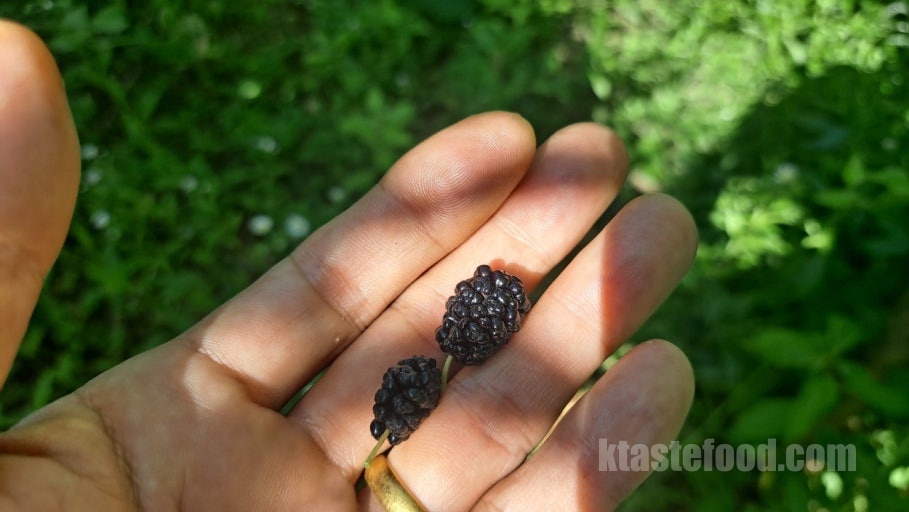
For centuries, the mulberry tree was famous for its role in the ancient Silk Road—its leaves fed the silkworms that produced the world’s most luxurious fabric. But to Koreans, the tree’s greatest treasure was the fruit that arrived just as the spring planting season ended. In the Dongui Bogam (Principles and Practice of Eastern Medicine), a UNESCO-recognized 17th-century royal text, Odi was documented as a fountain of youth that “nourishes the five vital organs, prevents aging, and even turns gray hair back to black.”
Modern nutritional science completely backs up this ancient wisdom. In fact, the wild mulberry outperforms the commercial blueberry in many key categories:
The Iron Booster: Odi contains nearly 6.5 times more iron than blueberries, making it an incredible natural remedy for fatigue and anemia.
Bone and Immunity King: It boasts 6.5 times more calcium and nearly 4 times more Vitamin C, giving your immune system and bones a massive boost.
The Diabetics’ Friend: Despite its deep sweetness, Odi has a Glycemic Index (GI) of just 25—half that of a blueberry (53), delivering maximum flavor with minimal blood sugar spikes.
Development 2: Beyond the Berry—The Secret Healing Power of the Roots
But the magic of the Korean mulberry tree doesn’t stop at the fleeting summer berries. In the Korean culinary tradition, the mulberry tree is celebrated as a zero-waste miracle of nature, where every single part holds immense healing power. While Westerners only look at the branches, experienced Korean foragers and home cooks dig deeper. They harvest the roots of the wild mulberry tree, drying the inner root bark to create a powerful herbal medicine known as “Sangbaekpi” (상백피). For generations, this root has been utilized as a legendary natural remedy for managing diabetes and stabilizing blood sugar levels.
In the heat of summer, Koreans infuse these dried roots into comforting teas. Even more brilliantly, they place the wild mulberry roots into the pot when slow-cooking Baeksuk (백숙)—a sacred, deeply nourishing Korean ginseng chicken soup. The roots melt into the broth, neutralizing the chicken fat, infusing the meat with earthiness, and turning a simple dinner into a powerful, medicinal shield for the body.
Climax:
The Art of
Capturing
Time
Through
Odi-Cheong
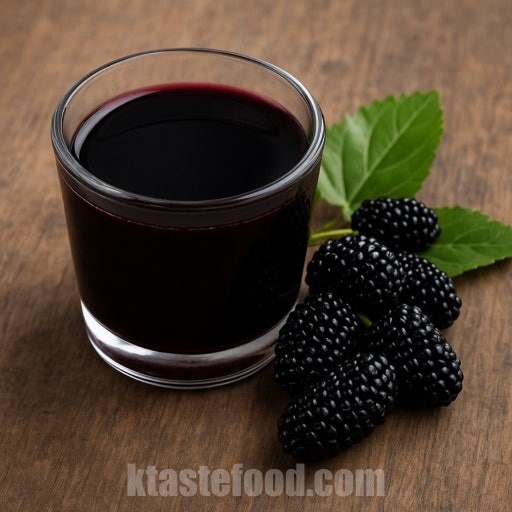
So, how do Koreans capture the fleeting, 3-week window of this wild superfood berry? Centuries ago, royal kitchens would gently simmer wild mulberry juice with raw honey to create a thick, glossy syrup called “Sangsimgo” (상심고). It was the ancestral version of what we call “Cheong” (청 – Korean Enzyme Syrup) today.
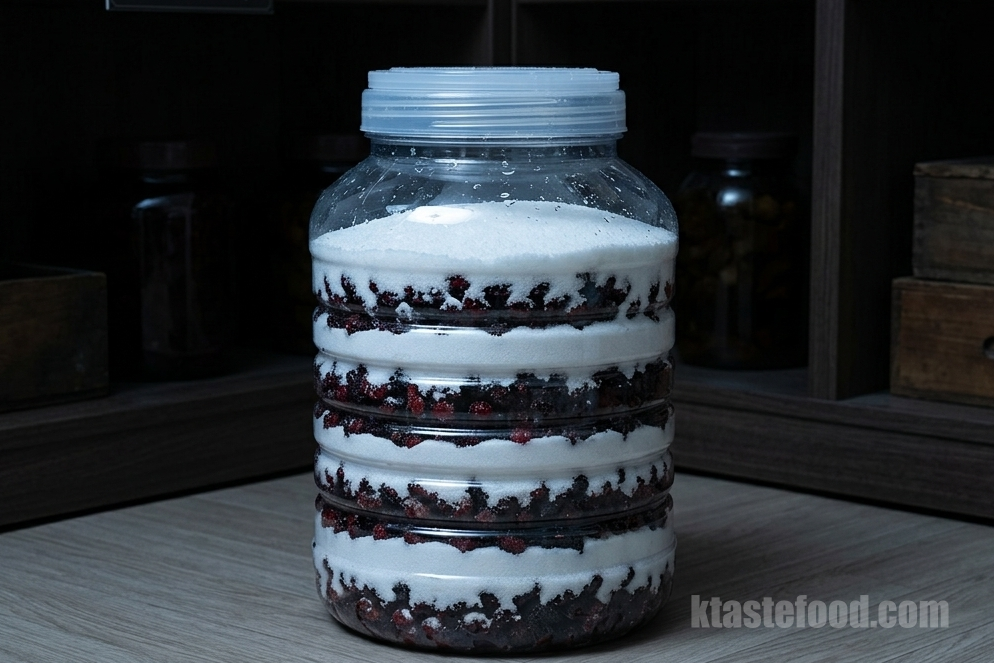
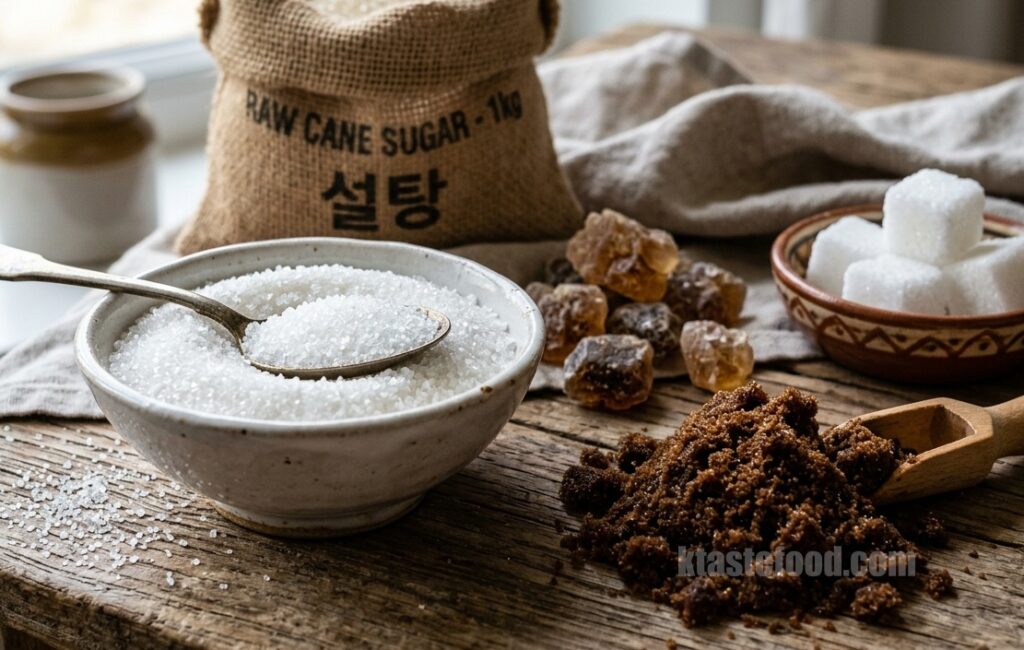
When refined sugar became available, Korean home cooks adapted this royal tradition into a stroke of culinary genius. Instead of boiling the fruit into a jam—which destroys precious heat-sensitive vitamins—Koreans perfected the art of cold-extraction through Odi-Cheong. By layering wild mulberries with sugar at a 1:1 ratio, the natural osmotic pressure draws out every single drop of the berry’s potent juice and active nutrients, preserving the raw, vibrant energy of the fruit for the entire year without losing a single vitamin.
#WildMulberry #Superfood #Foraging #KFoodWisdom #DiabetesFriendly
Conclusion:
Rediscover the
Magic in
Your Backyard
If you are lucky enough to forage wild mulberries in your area during June, or if you can find them at a local market, don’t just turn them into a standard Western jam or pie. Try the time-tested wisdom of the Korean kitchen. Mashing the fresh berries into rice flour creates a beautifully tinted, fragrant traditional rice cake. Alternatively, crafting your own Odi-Cheong gives you a luxurious, complex syrup. A single spoonful stirred into cold sparkling water makes a refreshing summer cooler, while drizzling it over a crisp tart or vanilla ice cream creates a dessert that bridges the rustic wild of the Korean mountains with modern culinary elegance. The blueberry had its time in the spotlight. But this June, look closer at the wild bushes in the hills, and remember the ancient roots beneath them. The purple emperor of late spring is waiting to be rediscovered.




![[The Umami Odyssey: Part 1] The Language of Survival: Why We Crave Umami](https://ktastefood.com/wp-content/uploads/2026/04/stocksnap-ice-cream-2588541_1920-1-1024x682.jpg)