The Hidden Tears of the Green Bottle: A 700-Year Odyssey of Korean Soju
#koreansake
Soju (燒酒), literally meaning “burned liquor,” arrived on the Korean peninsula in the 13th century via Mongol invasions. Before modern industrialization, Korea was a “Kingdom of Spirits.” Every household brewed its own unique alcohol, known as Gayangju. These were premium craft spirits made from rice and Nuruk (traditional fermentation starter), boasting diverse flavors from sweet potato to barley.
1. A Royal Beginning: The Spirit of Fire
Atrocity
2. The Dark Age: Systematic Erasure under Japanese Occupation
The first major blow to Korean spirits came during the Japanese Occupation (1910–1945). To fund their empire and control the Korean people, the Japanese colonial government enacted the Liquor Tax Act of 1916. They strictly prohibited the centuries-old tradition of home-brewing (Gayangju). Countless artisanal recipes were forcibly erased as the Japanese pushed their own standardized industrial alcohol and Sake-style production. This was not just a tax move; it was a systematic cultural erasure that turned Korea’s rich liquid heritage into a standardized, taxable commodity.
Flow
3. The
Forbidden Grain: A Culture Forced Underground
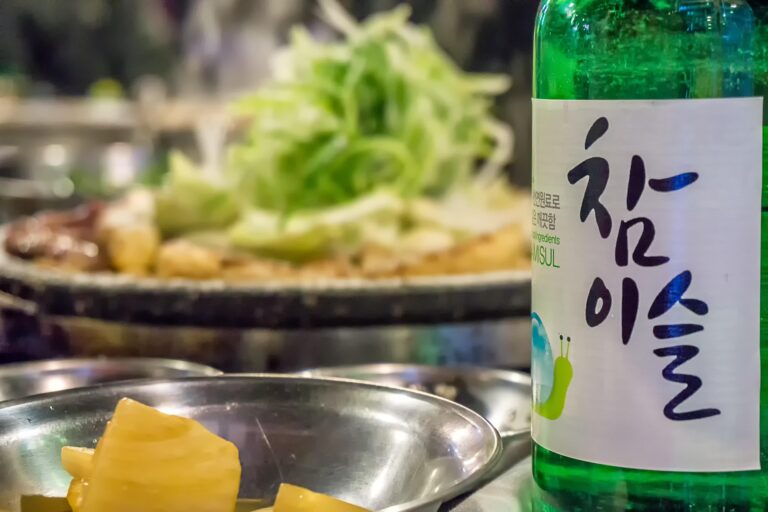
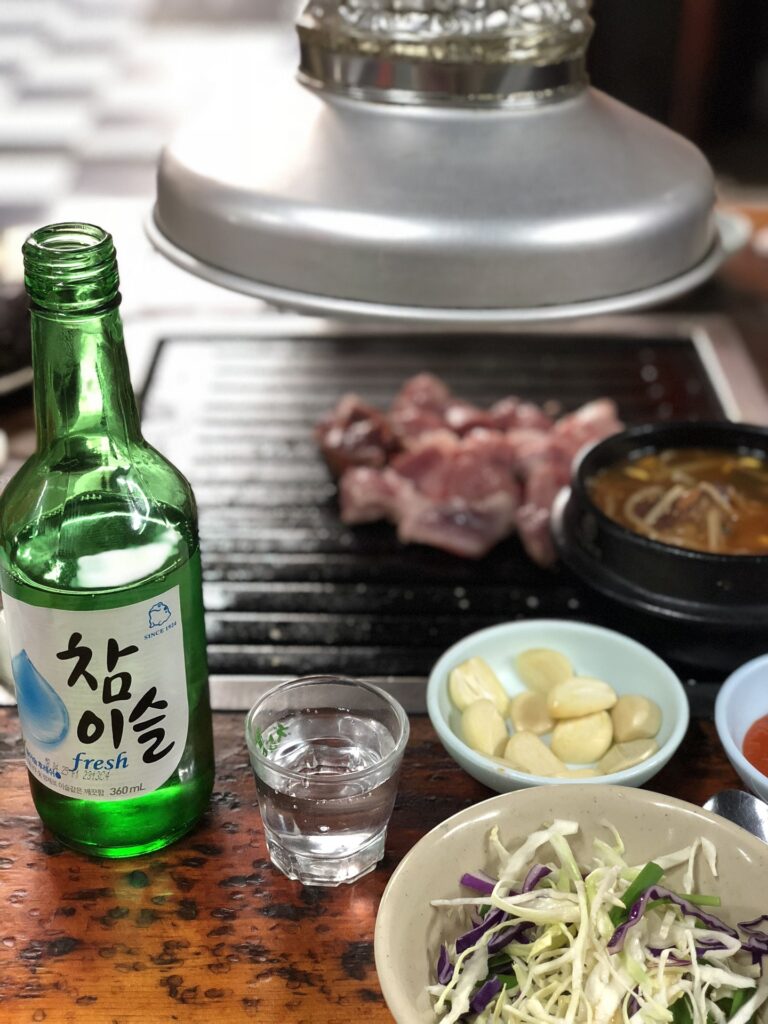
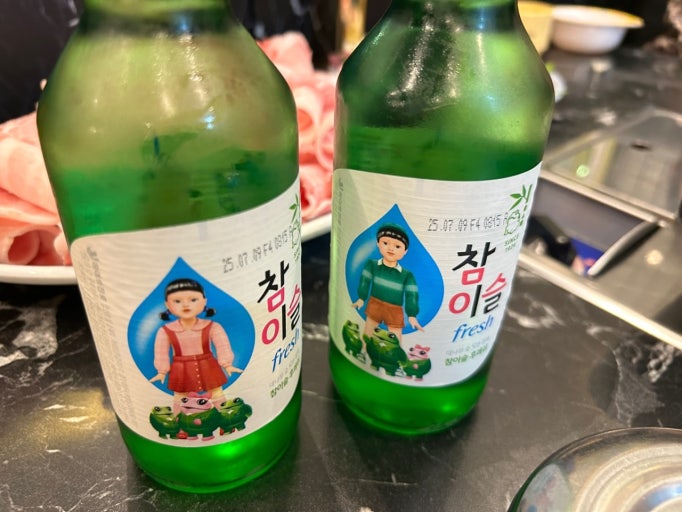
The struggle continued after the Korean War (1950–1953). Facing extreme famine, the Korean government enacted the Grain Management Act of 1965, strictly banning the use of rice for alcohol. Traditional spirits were forced into the shadows once again. Artisans became “bootleggers,” hiding ceramic jars of fermenting rice underground to evade inspectors. During this “Era of Tears,” the vibrant diversity of Korean alcohol nearly vanished, replaced by the cheap, industrial “Green Bottle” we see today—a mixture of tapioca ethanol and artificial sweeteners.
Paradigm shift
But history has a way of coming full circle. In 2026, a “Soju Renaissance” is sweeping the globe. Discerning drinkers are moving away from chemical mixtures and rediscovering Traditional Distilled Soju. The secret recipes that survived the Japanese occupation and the grain ban are now being restored by a new generation of artisans. This is no longer just a cheap drink to get drunk; it is a premium craft spirit representing the resilience of Korean culture. The “Real Soju”—made with time, rice, and a soul that refused to be silenced—is finally back on the world stage.
4. The Great Return: Rediscovering the "Real" Soju