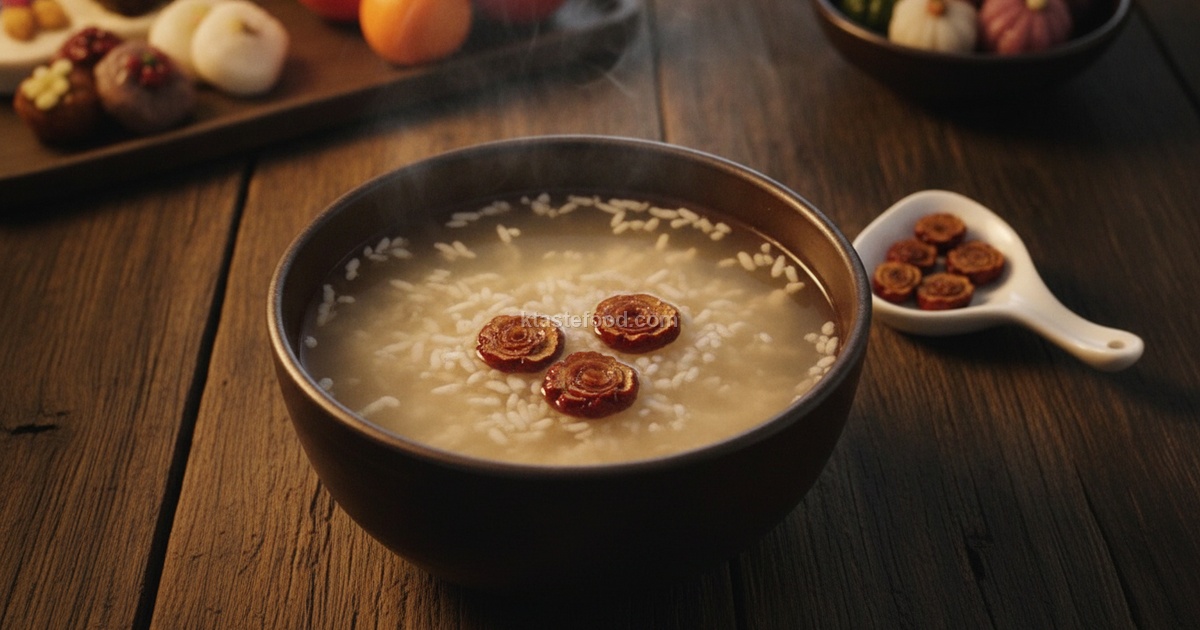
Sikhye, a beloved traditional Korean sweet rice punch, is more than just a drink—it’s a symbol of celebration and hospitality. Known for its clear, refreshing sweetness and charmingly floating rice grains, it’s a staple during holidays like Seollal and Chuseok. Our recipe guides you to achieve that pristine clarity and delightful ‘bobal dongdong’ (floating rice grains) effect, perfect for impressing guests or simply enjoying a taste of Korean heritage.
📋 Official Recipe Card: Master the Art of Floating Rice Grain Sikhye: Pristine Korean Sweet Rice Punch for Festive Occasions
Discover the secret to perfectly clear and refreshingly sweet Korean Sikhye, featuring iconic floating rice grains. A traditional holiday beverage that’s surprisingly easy to make at home.
⏱️ Prep Time: 30 minutes
🔥 Cook Time: 15 minutes (boiling)
🍽️ Course: Beverage / Dessert | 🇰🇷 Cuisine: Korean
👥 Servings: 8-10 servings (approx. 4.5-5 Liters liquid)
⚡ Calories: Approximately 4500 kcal (total batch)
💰 Estimated Cost: $12.00 (약 15,000원)
🍳 Equipment: Large Stainless Steel Stock Pot with Lid, Electric Rice Cooker (with ‘Warm’ function), Large Mixing Bowl (at least 8L capacity), Fine-Mesh Sieve or Cheesecloth, Ladle, Measuring Cups and Spoons
🥕 Ingredients
- 420g 엿기름 (Yeotgireum / Malted Barley Powder)
- 2 cups 설탕 (Seoltang / Granulated Sugar)
- 6L 생수 (Saengsu / Filtered Water)
- 4-5 slices 편생강 (Pyeon Saenggang / Sliced Fresh Ginger)
- 2 cups 쌀 (Ssal / Uncooked Short-Grain Rice)
👩🍳 Step-by-Step Instructions
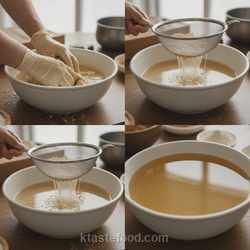
Infuse & Strain Malted Barley Water: In a very large mixing bowl (at least 8L capacity), combine the 420g of fresh malted barley powder with 3L of filtered water. Gently knead the mixture by hand for about 5-10 minutes to effectively extract the malt’s essence and enzymes. This process will create a cloudy liquid. Pass this liquid through a fine-mesh sieve or cheesecloth into another large, clean bowl, reserving the barley solids in the first bowl.
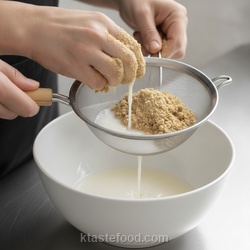
Repeat Extraction & Clarify Malted Barley Water: Return the reserved malted barley solids to the first mixing bowl. Add the remaining 3L of filtered water and repeat the kneading process for another 5-10 minutes. Strain this second batch of liquid through the same sieve or cheesecloth, combining it with the first batch of malt water in the clean bowl. Discard the now-spent barley solids. Allow the combined malted barley water to settle undisturbed for at least 1 hour (preferably 2-3 hours), enabling the starch sediment to sink completely to the bottom.
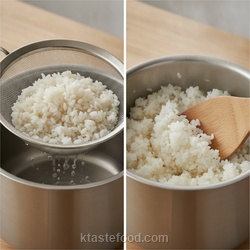
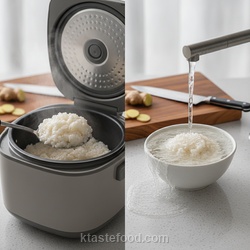
Prepare the Fluffy Rice Base: While the malt water clarifies, prepare your rice. Thoroughly rinse 2 cups of uncooked short-grain rice until the water runs completely clear; do not soak the rice beforehand. Cook the rinsed rice in an electric rice cooker with slightly less water than usual. This technique ensures a firmer, more ‘고슬고슬’ (gosul-gosul, fluffy but distinct) texture, which is ideal for Sikhye. Once cooked, gently stir the rice with a wooden paddle to separate the individual grains and let it cool slightly.
Initiate Sweet Fermentation in the Rice Cooker: Very carefully, using a ladle, transfer only the clear top layer of the settled malted barley water into the inner pot of your electric rice cooker containing the cooled rice. It is crucial to leave the thick, cloudy starch sediment at the bottom of the settling bowl behind. Ensure the rice grains are fully submerged in the clear malt water. Set the electric rice cooker to its ‘Warm’ function to begin the fermentation process.

Monitor & Perfect Fermentation: Allow the mixture to ferment on the ‘Warm’ setting for approximately 5-6 hours. Periodically check the progress; fermentation is complete when you observe 7-10 grains of rice floating to the surface when gently stirred. Over-fermentation can result in an undesirable sour taste, so precise monitoring is key. Once the rice grains are floating, immediately turn off the rice cooker and proceed to the next step.
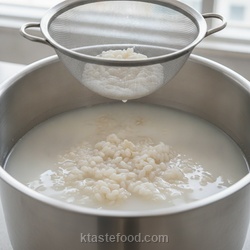
Prepare Garnish (Optional Floating Rice Grains): For the iconic ‘bobal dongdong’ (floating rice grains) presentation, carefully scoop out a portion of the fermented rice grains from the rice cooker using a slotted spoon. Gently rinse these grains under cold water to remove any residual sweetness and prevent further fermentation. Place them in a small bowl with fresh cold water and chill in the refrigerator until you are ready to serve. This step is optional but significantly enhances the visual appeal.
Final Boil, Sweeten & Chill: Transfer the entire contents (the fermented liquid and remaining rice grains) from the rice cooker into your Large Stainless Steel Stock Pot. Add 2 cups of granulated sugar and the 4-5 slices of fresh ginger. Bring the Sikhye to a rolling boil over medium-high heat. Once vigorously boiling, reduce the heat slightly and simmer for 5-10 minutes. Taste and adjust the sweetness if desired; for a sweeter profile, you may add up to 2.5 cups total sugar. It is critical to immediately remove all the ginger slices from the pot, as leaving them in will impart a bitter taste to your Sikhye. Allow the Sikhye to cool completely at room temperature, then transfer it to airtight containers and refrigerate thoroughly before serving.

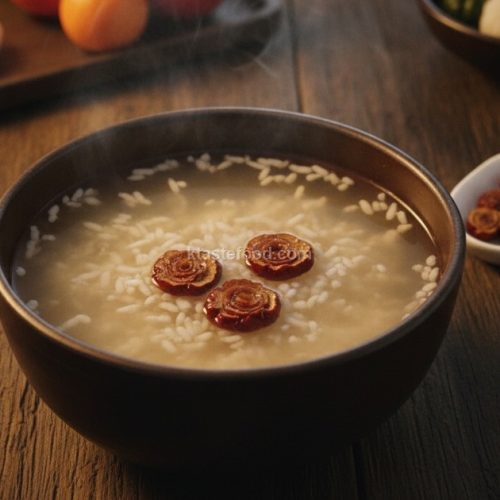
Master the Art of Floating Rice Grain Sikhye: Pristine Korean Sweet Rice Punch for Festive Occasions
Equipment
- Equipment
Ingredients
Ingredients
- 420g 엿기름 (Yeotgireum / Malted Barley Powder)
- 2 cups 설탕 (Seoltang / Granulated Sugar)
- 6L 생수 (Saengsu / Filtered Water)
- 4-5 slices 편생강 (Pyeon Saenggang / Sliced Fresh Ginger)
- 2 cups 쌀 (Ssal / Uncooked Short-Grain Rice)
Instructions
Instructions
- Infuse & Strain Malted Barley Water: In a very large mixing bowl (at least 8L capacity), combine the 420g of fresh malted barley powder with 3L of filtered water. Gently knead the mixture by hand for about 5-10 minutes to effectively extract the malt’s essence and enzymes. This process will create a cloudy liquid. Pass this liquid through a fine-mesh sieve or cheesecloth into another large, clean bowl, reserving the barley solids in the first bowl.
- Repeat Extraction & Clarify Malted Barley Water: Return the reserved malted barley solids to the first mixing bowl. Add the remaining 3L of filtered water and repeat the kneading process for another 5-10 minutes. Strain this second batch of liquid through the same sieve or cheesecloth, combining it with the first batch of malt water in the clean bowl. Discard the now-spent barley solids. Allow the combined malted barley water to settle undisturbed for at least 1 hour (preferably 2-3 hours), enabling the starch sediment to sink completely to the bottom.
- Prepare the Fluffy Rice Base: While the malt water clarifies, prepare your rice. Thoroughly rinse 2 cups of uncooked short-grain rice until the water runs completely clear; do not soak the rice beforehand. Cook the rinsed rice in an electric rice cooker with slightly less water than usual. This technique ensures a firmer, more ‘고슬고슬’ (gosul-gosul, fluffy but distinct) texture, which is ideal for Sikhye. Once cooked, gently stir the rice with a wooden paddle to separate the individual grains and let it cool slightly.
- Initiate Sweet Fermentation in the Rice Cooker: Very carefully, using a ladle, transfer only the clear top layer of the settled malted barley water into the inner pot of your electric rice cooker containing the cooled rice. It is crucial to leave the thick, cloudy starch sediment at the bottom of the settling bowl behind. Ensure the rice grains are fully submerged in the clear malt water. Set the electric rice cooker to its ‘Warm’ function to begin the fermentation process.
- Monitor & Perfect Fermentation: Allow the mixture to ferment on the ‘Warm’ setting for approximately 5-6 hours. Periodically check the progress; fermentation is complete when you observe 7-10 grains of rice floating to the surface when gently stirred. Over-fermentation can result in an undesirable sour taste, so precise monitoring is key. Once the rice grains are floating, immediately turn off the rice cooker and proceed to the next step.
- Prepare Garnish (Optional Floating Rice Grains): For the iconic ‘bobal dongdong’ (floating rice grains) presentation, carefully scoop out a portion of the fermented rice grains from the rice cooker using a slotted spoon. Gently rinse these grains under cold water to remove any residual sweetness and prevent further fermentation. Place them in a small bowl with fresh cold water and chill in the refrigerator until you are ready to serve. This step is optional but significantly enhances the visual appeal.
- Final Boil, Sweeten & Chill: Transfer the entire contents (the fermented liquid and remaining rice grains) from the rice cooker into your Large Stainless Steel Stock Pot. Add 2 cups of granulated sugar and the 4-5 slices of fresh ginger. Bring the Sikhye to a rolling boil over medium-high heat. Once vigorously boiling, reduce the heat slightly and simmer for 5-10 minutes. Taste and adjust the sweetness if desired; for a sweeter profile, you may add up to 2.5 cups total sugar. It is critical to immediately remove all the ginger slices from the pot, as leaving them in will impart a bitter taste to your Sikhye. Allow the Sikhye to cool completely at room temperature, then transfer it to airtight containers and refrigerate thoroughly before serving.
Notes
Join K-Taste Food
Sign in with Google to explore exclusive Korean recipes and get instant updates.
💡 Smart International Ingredient Substitutions
- Malted Barley Powder (Yeotgireum): Substitute with Diastatic Malt Powder (brewing grade) (Diastatic malt powder is much more potent due to higher enzyme concentration. Use about 1/4 to 1/3 the amount of yeotgireum and adjust based on taste and fermentation results to avoid an overly sweet or yeasty flavor.)
- Fresh Ginger Slices: Substitute with Ginger Powder or Ginger Tea Bags (For a subtle ginger note, steep 1/2 teaspoon of ginger powder in a sachet or use 1-2 ginger tea bags during the final boil. Ensure to remove them promptly before chilling to prevent bitterness.)
- Granulated Sugar: Substitute with Brown Sugar or Honey (Brown sugar will impart a deeper, caramel-like note, while honey will offer a floral sweetness. Adjust quantities as their sweetness levels and flavor profiles differ from white granulated sugar.)
🍽️ Perfect Korean Food Pairings (What to Serve With This)
- The Ultimate Fiery & Flavorful Korean Braised Chicken (Dakbokkeumtang): The cool, sweet, and incredibly refreshing notes of Sikhye provide a perfect counterpoint to the rich, spicy, and savory depth of Dakbokkeumtang, cleansing the palate beautifully after each flavorful bite.
- Seoul Street Golden Butter Kimchi Bokkeumbap: 15-Minute Restaurant-Style Kimchi Fried Rice with Crispy Spam & Golden Runny Egg: Sikhye’s bright, sweet, and clear profile offers a delightful contrast to the savory, slightly tangy, and buttery richness of Kimchi Bokkeumbap, making for a perfectly balanced and satisfying meal.
- How to Make Tender Korean Boiled Pork (Suyuk) Without Any Gamey Odor: After indulging in the succulent and savory flavors of Suyuk, a chilled glass of Sikhye acts as an excellent digestive aid and provides a light, subtly sweet, and wonderfully refreshing finish to the meal.
❓ Frequently Asked Questions (FAQ)
Q: Can I make Sikhye without an electric rice cooker?
Yes, you can! After preparing the malt water and cooked rice, combine them in a large pot. Place the pot in a warm environment (ideally around 50-60°C or 120-140°F), such as a gas oven with just the pilot light on, or a cooler filled with warm water bottles. Maintain this temperature consistently and check for floating rice grains as instructed.
Q: How long can I store homemade Sikhye?
Properly refrigerated in airtight glass containers, homemade Sikhye can be stored for up to 5-7 days. For longer storage, you can freeze it in individual portions for several months. Always thaw in the refrigerator before serving for best results.
Q: Why aren’t my rice grains floating after fermentation?
The primary reason rice grains don’t float is insufficient fermentation time or inadequate warmth during the fermentation process. Ensure your rice cooker’s ‘Warm’ function is working correctly and allow the full 5-6 hours. Additionally, ensure your malted barley powder was fresh and active, as older malt can have significantly reduced enzymatic activity, hindering starch breakdown.
Q: Can I adjust the sweetness of Sikhye?
Absolutely! The recipe suggests 2 cups of sugar, with an option to add up to 2.5 cups total for a sweeter profile. It’s always best to start with a slightly lesser amount of sugar during the final boil and then taste and add more to your preference. Remember that the Sikhye will taste slightly less sweet once it is thoroughly chilled.
Chef Park’s Kitchen Advice: A Note from Park’s Kitchen: The quality of your ‘yeotgireum’ (malted barley powder) is paramount for truly great Sikhye. Always choose fresh, light-colored malt with a distinct, fresh barley scent; avoid any dark or stale-smelling powders. Also, remember that removing the ginger promptly after boiling is crucial to prevent any bitterness from developing, ensuring your Sikhye remains perfectly clear, sweet, and aromatic.
Join the K-Taste VIP Food Club
Sign in with Google to save your favorite recipes, create custom meal plans, and get weekly Korean chef secrets delivered to your inbox!
More recipes to cook next
Master Fluffy Korean Pot Rice (Naembi Bap) Easily: No Rice Cooker Needed, Just Perfect Grains
Rice · 55 min
Korean Seolleongtang Recipe (Ox Bone Soup)
Soup & Stew · 8 hr

The Ultimate Guide to Salmon Pot Rice (Yeoneo Sotbap)
Seafood · 2 hr 30 min

Korean Bulgogi Stuffed Peppers with Vegetable Fried Rice
Rice · 45 min

Creamy Shrimp Curry Rice with Whipped Cream Dollop: Gourmet Fusion Recipe
Seafood · 50 min

Perfect Mussel Seaweed Pot Rice at Home: Easy Korean Sotbap Recipe
Seafood · 1 hr